
Endometriosis: The Common Condition Many Women Face But May Not Realize They Have
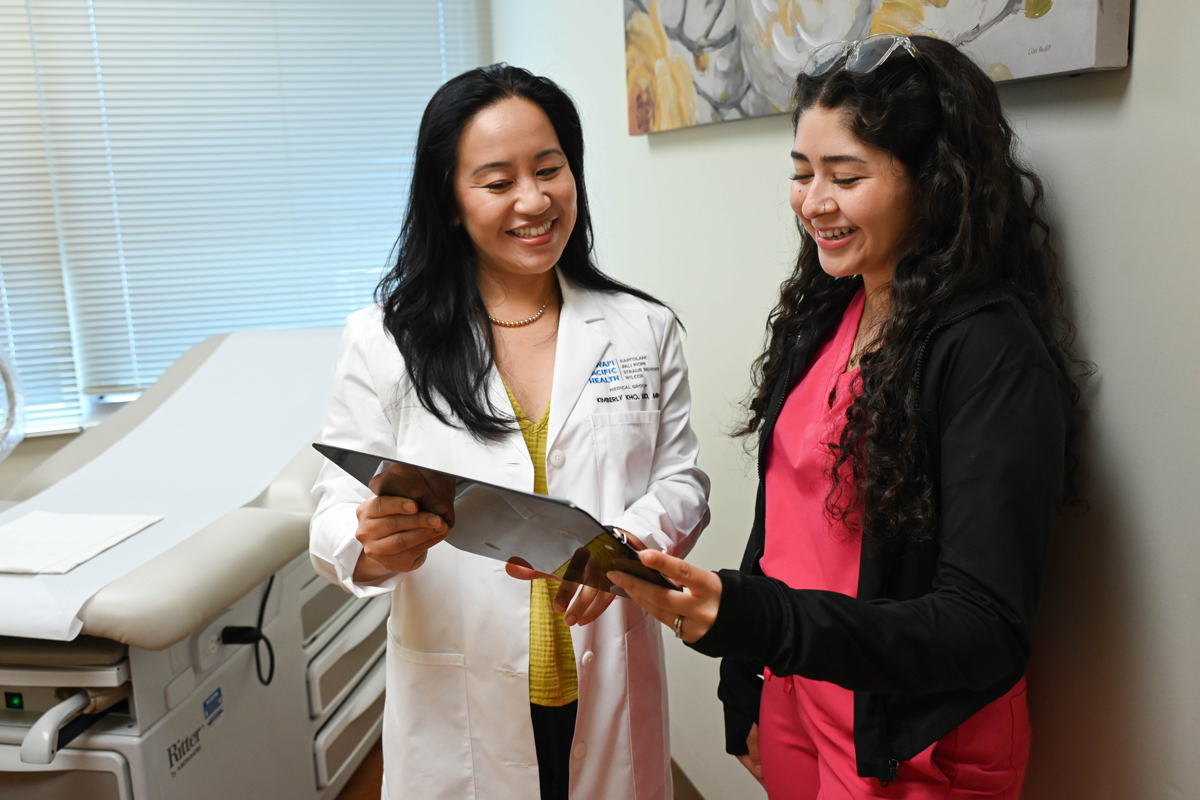
Dr. Kimberly Kho, a Hawaii Pacific Health Medical Group obstetrician and gynecologist based at Kapiolani Medical Center for Women & Children, loves working with women every day.
"Validating experiences, educating patients about their options and helping them find solutions so they can live their best, healthiest lives is so gratifying," she says.
Kho is extremely well versed in the medical field. Her training includes a medical degree from Baylor College of Medicine and a master's degree in public health at Harvard School of Public Health. Kho did her residency in obstetrics and gynecology at NewYork-Presbyterian Columbia University Medical Center in New York. She completed a fellowship in minimally invasive gynecologic surgery at the Nezhat Medical Center in Atlanta, Georgia, and is a member of the American College of Obstetricians and Gynecologists.
Here, Kho goes into detail about a condition that is more common than most people think – endometriosis.
What is endometriosis and how often do you see it?
Endometriosis is when cells similar to those that line your uterus grow in places where they shouldn't. Sometimes this is on the walls of your pelvis, ovaries or abdomen. Surrounding tissue reacts and can become irritated and form scar tissue.
Bands of tissue called adhesions can also form, which can cause tissue to stick to each other and result in organs pulling together. This can lead to pain, infertility and organ damage.
Endometriosis is as common, if not more common, than diabetes nationally. The Office on Women's Health estimates at least one in nine women between the ages of 15 and 44 will develop this often-painful condition. Many believe that even more women have endometriosis and don't know it.
What are the symptoms of endometriosis, and why is it important to identify them early?
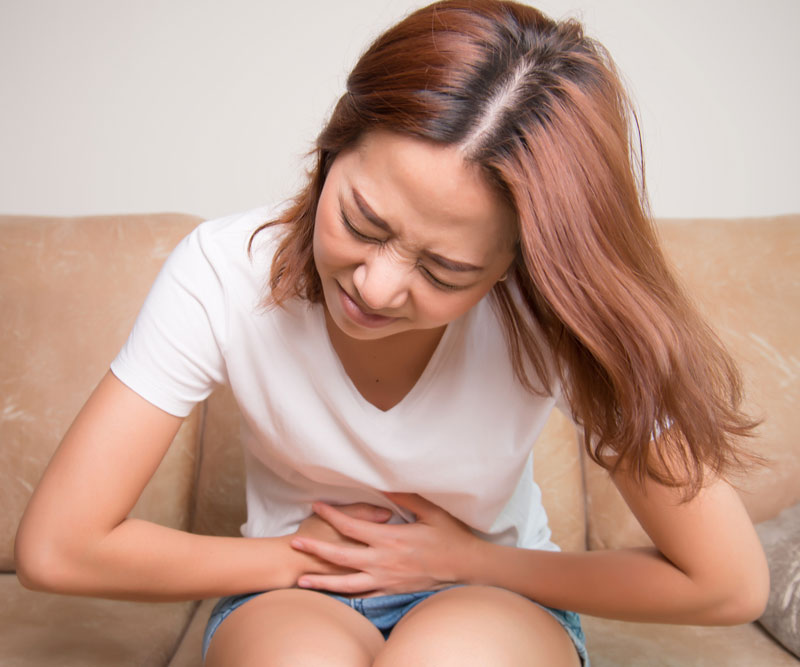
Symptoms can start in puberty, or even earlier than that. When it starts so young, many girls and women think it's just normal for them to have painful periods. It can be painful to exercise or even have a bowel movement.
If untreated, it can get worse.
Also, endometriosis can cause fertility problems later in life. In fact, some studies say that up to 50% of couples experiencing infertility have some connection to endometriosis.
Early treatment is important to manage symptoms and prevent future challenges.
What are the treatment options for endometriosis?
It is never too early or too late to address symptoms. Unfortunately, we still do not have a cure for endometriosis, but we have effective treatments to help manage pain. If you have ongoing pain and symptoms after a trial of medical management, or if you are having fertility issues, surgery may be needed. But this does not always involve removing entire parts of the reproductive system.
Kapiolani has an Endometriosis Program, where we work to try to reduce your pain while preserving and optimizing reproductive function and the ability to have children, if this is desired. We use the latest technology in minimally invasive procedures, including robotic and laparoscopic systems, to really zoom in on the affected organs and use microsurgical techniques to minimize trauma to the surrounding tissue. This also means that often you can have the procedure that day and be home for dinner.
Why do most experts believe endometriosis is underdiagnosed?
In Hawaii, like other places around the world, many women are not comfortable talking about their periods or pelvic pain. Also, because there is a hereditary component to endometriosis, we often don't realize the symptoms are unusual.
Today, we have more information and better treatments than a few generations ago. So, parents, if your daughter is struggling with her periods, complaining of belly aches or painful bowel movements every month, let her pediatrician know during those annual checkups or even before then, to see if she might need to see an OB-GYN.
And if you or someone you know has unexplained abdominal and pelvic pain or has to miss activities due to pain every month, then it is time to look into endometriosis as a possible cause.
This article was first featured in the March 25, 2026, issue of MidWeek as a part of the “Dr. in the House” series. See the full publication.
Published on: March 26, 2026