Kapiʻolani Medical Center for Women & Children
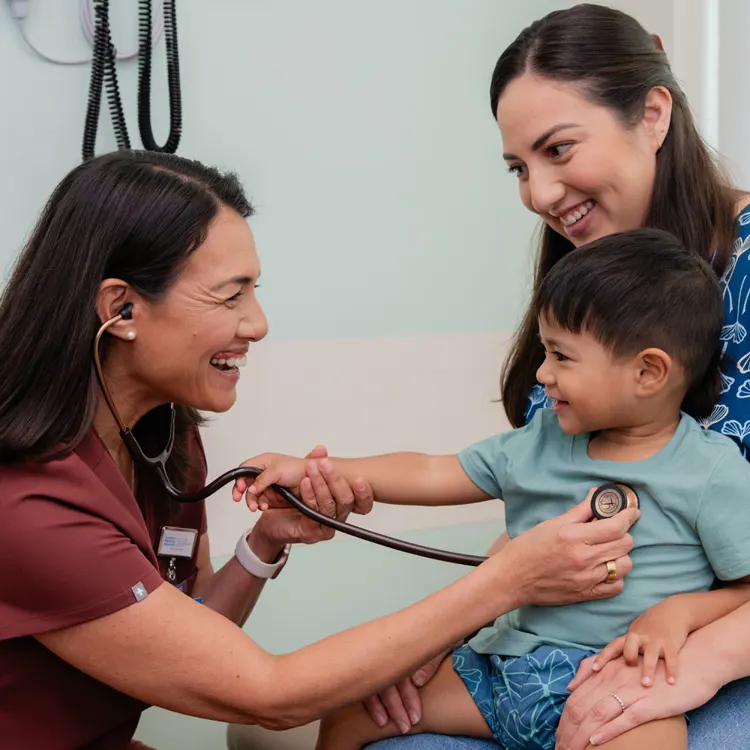
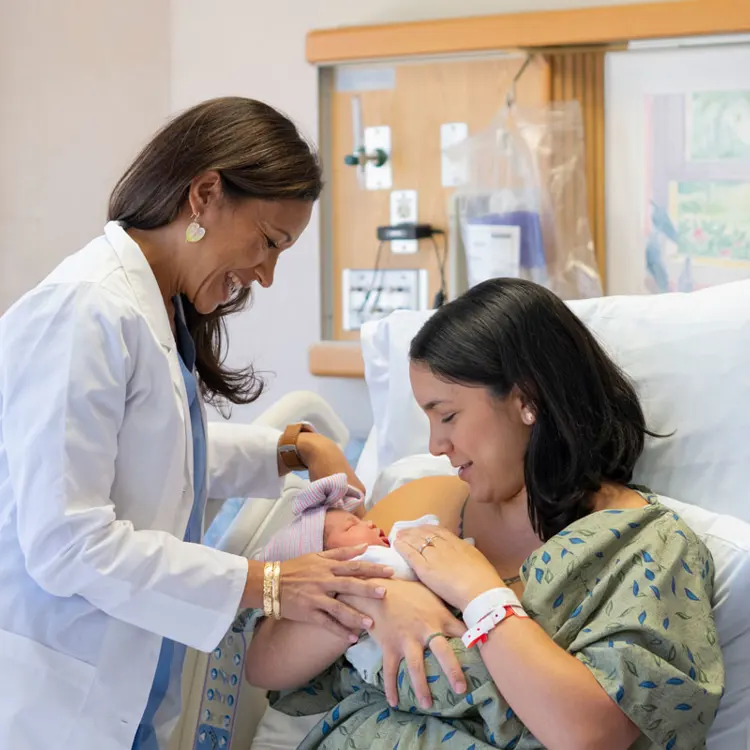
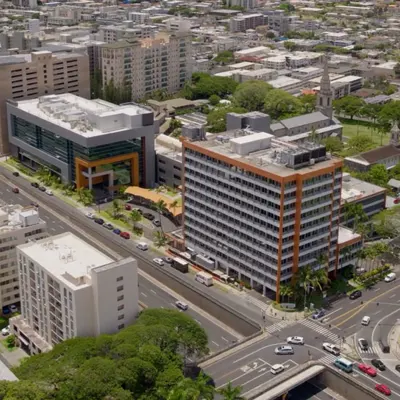
For more than 100 years, Kapiʻolani Medical Center for Women & Children has cared for Hawaiʻi’s women, babies, and children with expert, compassionate care.

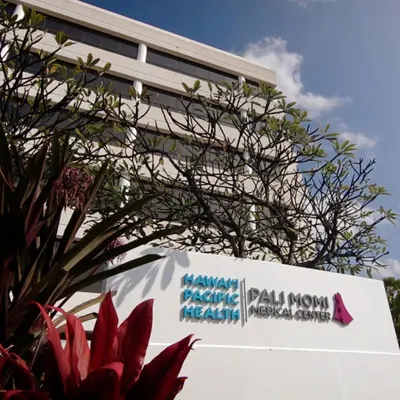
Pali Momi Medical Center has served Central and West Oʻahu for decades, providing compassionate, high-quality care for those who call these communities home.
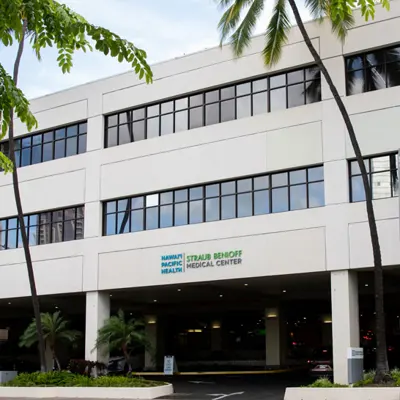
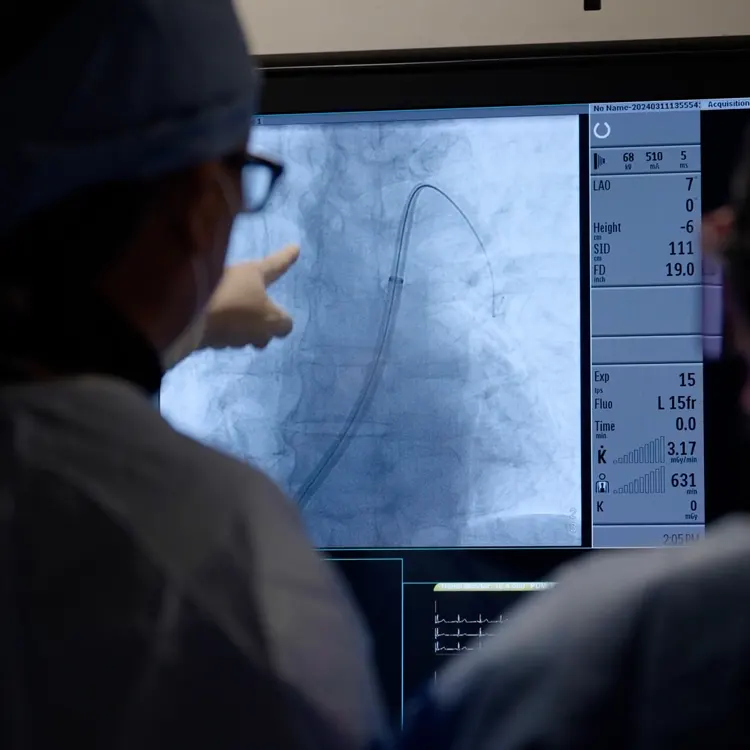
From pediatrics to geriatrics, from cancer care to heart health to keeping your bones and joints strong – our expertise shines in the areas that matter most. But that’s just the beginning. With a full spectrum of services, Hawaiʻi Pacific Health is here to support every stage of your health journey.
You pay attention to changes in your body, but some changes can be hard to notice on your own. Getting regular mammograms gives you – and your care team – more information to help protect your health.
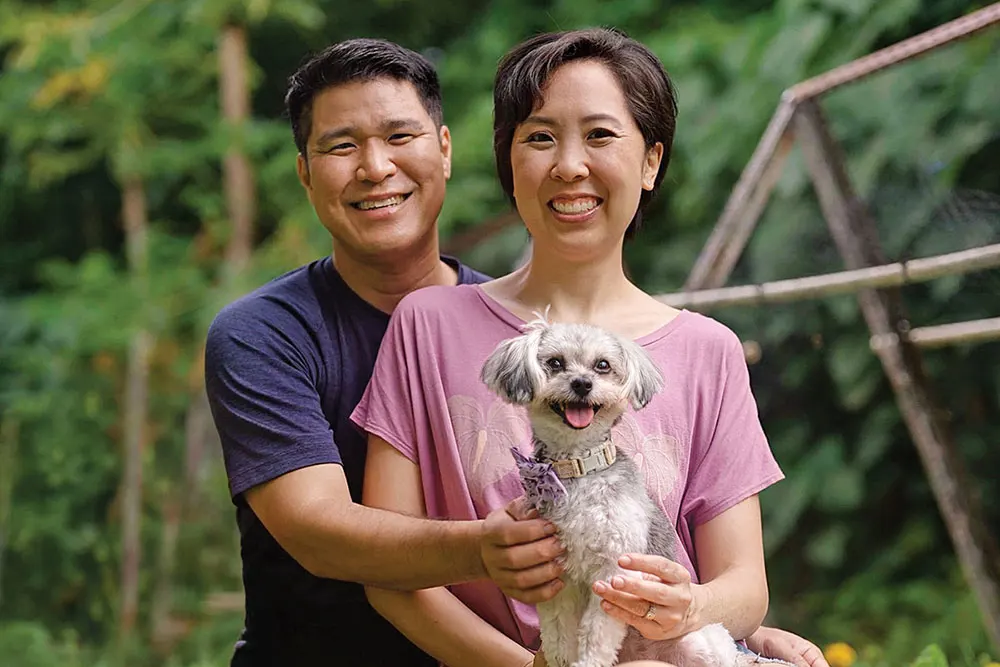
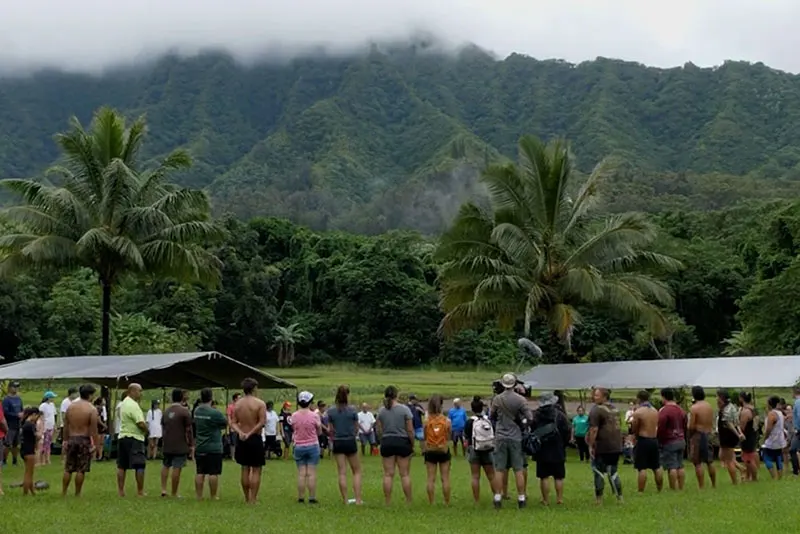
At Hawaiʻi Pacific Health, our commitment extends beyond our medical center walls. Through community outreach, education, and partnerships, we’re addressing the broader factors that influence health for individuals and families across Hawaiʻi. Together, we’re creating healthier communities.
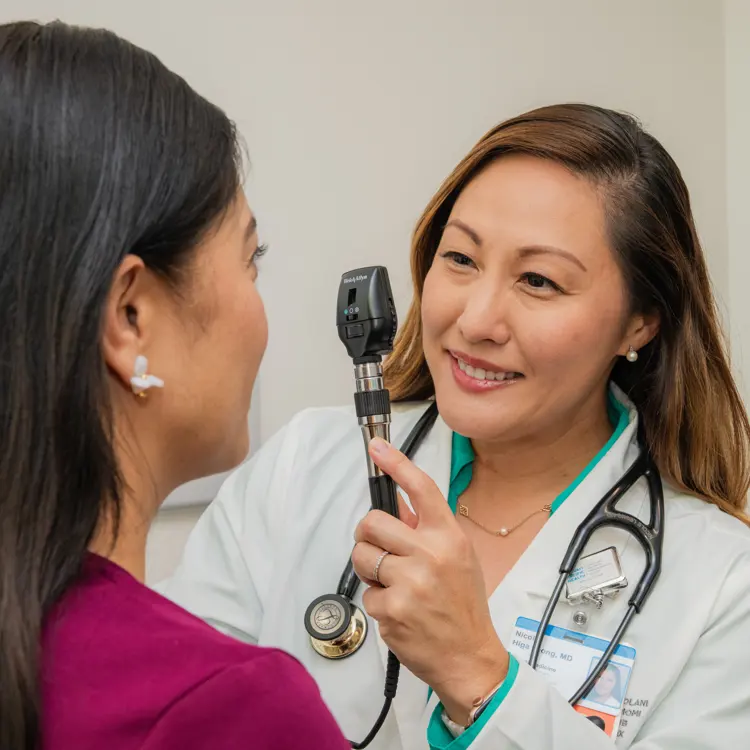
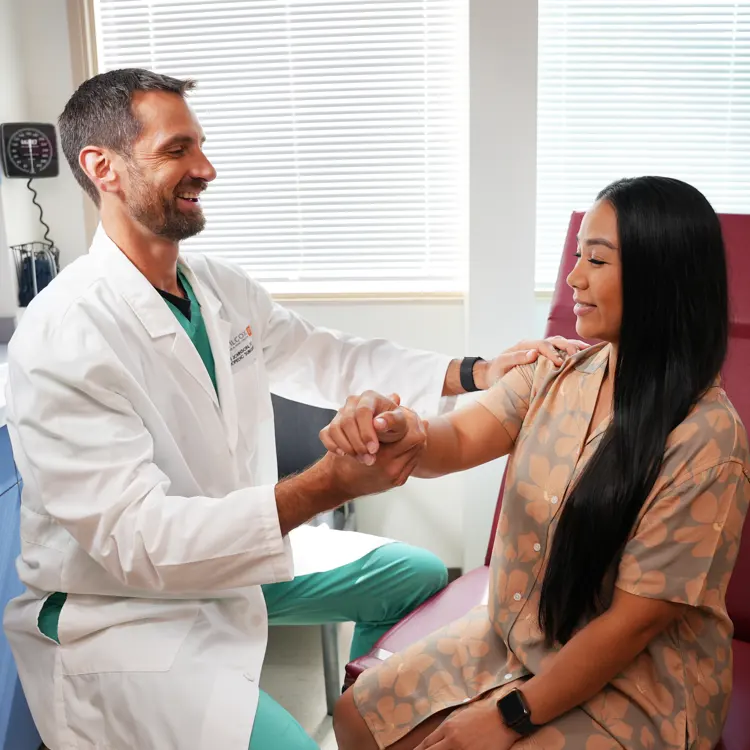
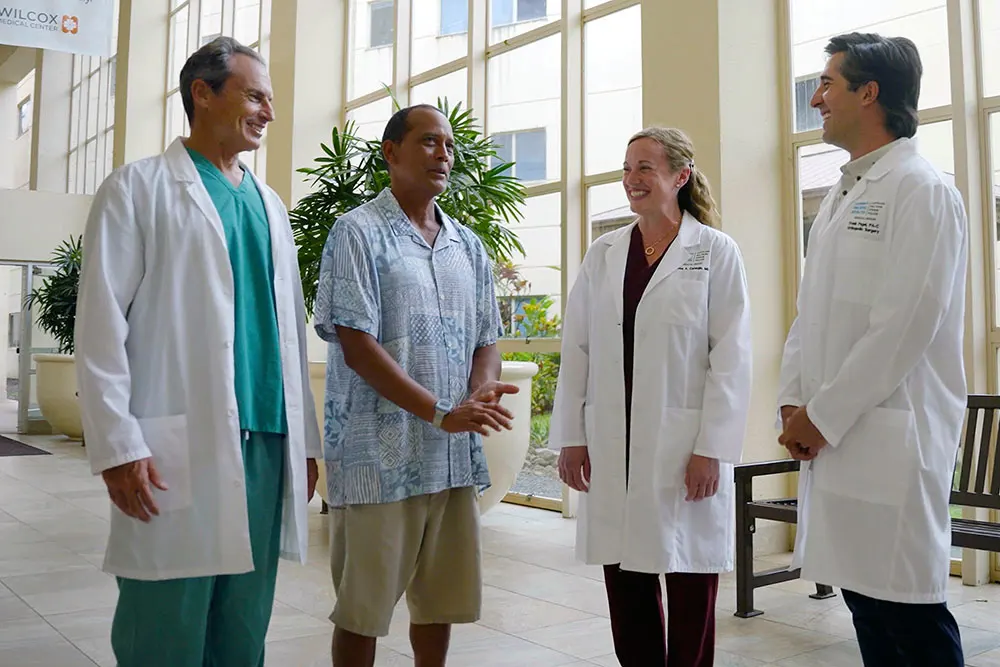
Your health matters, and so does how you feel during your care. Our doctors, nurses, specialists, and other healthcare team members work together to support you with the treatment, guidance, and compassion you need at every step.


[Title: Kapiʻolani Radiothon for Kids, 20 years of miracles. KSSK 92.3 Hawaiʻi. A packed room of
phone volunteers.]
[Karen Keawehawaiʻi, Michael W. Perry and Sweetie Pacarro, KSSK Perry and the Posse, cheer at the
radio desk.]
KSSK HOSTS: Hi, it's Mike, Karen, and Sweetie. Why are we here? It's the 20th anniversary of the
Kapiʻolani Radiothon!
[Sponsors hold up Double Match signs and a giant check. Volunteers take calls.]
RADIO HOST: By your donation, we can make miracles happen every single day, one dollar at a time.
One million dollars, two days to do it, and I know Hawaiʻi, you can do this.
[Hosts dance on stage. Volunteers cheer at the phone bank with a turtle mascot.]
MICHAEL W. PERRY, KSSK Radio Personality: This has been a fast 20 years, I've got to tell you, and
we built on it every year. And the things that they've been able to do with the money that we give
the people of Hawaiʻi is so spectacular and so touching.
[Phone volunteers take pledges. A girl hugs a woman.]
JILLIAN TAMARU, Senior Catering Sales Executive, Kyo-ya Hotels and Resorts: We here at Kyo-ya love
to give back to our community. We have everybody coming together just to raise more funds for the
20th anniversary. We really value the partnership that we have together.
[A boy in a wheelchair holds a teddy bear. Groups cheer with It's a Match and Radiothon signs.]
CROWD: Radiothon! Radiothon! Radiothon!
[A girl peeks through a gold balloon-shaped sign.]
SEELEY BORGES, Hawaiʻi's 2026 Children's Miracle Network Champion: Hi, I'm Seeley. I'm your
Children's Miracle Network Champion. Thank you for helping kids like me.
[Seeley hugs a host, then meets Mickey and Minnie Mouse.]
[Hayley, Seeley and Shawn Borges, Hawaiʻi's 2026 Children's Miracle Network Champion Family.]
HAYLEY BORGES, Hawaiʻi's 2026 Children's Miracle Network Champion Family: I think being a part of
the 20th annual Radiothon in itself is so special, you know. We are so lucky because this year,
especially as they build the new cancer ward, it really hits home for us. We uniquely benefited from
all things that Children's Miracle Network helped provide for. It's so exciting for us to be here.
[UHA Health Insurance presents a $10,000 check supporting the Sex Abuse Treatment Center and
Children's Miracle Network.]
UHA REPRESENTATIVE: We thank all of our employers and our employees that support UHA so that we can
steward those dollars right back into the community, especially with some of the programs like the
SATC. It's statewide.
JOHN MATTHEWS, KSSK Radio Personality: We wanna give back! This has been just such an amazing day
for the Kapiʻolani Radiothon for Kids, and the best thing of all is the money goes nowhere else but
here!
LEILA-ROSE COLOMA, Hawaiʻi's 2024 Children's Miracle Network Champion: They should donate because
Kapiʻolani helped me get out of the hospital and make me feel better, and it's just amazing how
everybody donates to Kapiʻolani.
[Families with Mickey and Minnie. Sponsors bring more giant checks.]
[Matanuska Valley Federal Credit Union, 2026 Kapiʻolani Radiothon for Kids Day 1 Presenting
Sponsor.]
RADIO HOST: Kapiʻolani Radiothon for Kids, 20 Years of Miracles, Day 1, presented by Matanuska
Valley Federal Credit Union.
CHAD RITCHIE, President & CEO, Matanuska Valley Federal Credit Union: You see how the donations
impact through the Miracle Mile, through the wall that you're seeing with the pictures and the
construction that they're doing, and just the area where the kids can go and they can have a space.
It feels amazing to be able to know that you're in some way able to contribute to help with that.
Who doesn't want to be part of that?
[Volunteers check pledges on their phones.]
[A white SUV wrapped with Hyundai Hope on Wheels handprints.]
[Hyundai Dealers of Hawaiʻi with Hyundai Hope on Wheels, 2026 Kapiʻolani Radiothon for Kids Day 2
Presenting Sponsor, present a $60,000 check.]
HYUNDAI REPRESENTATIVE: Hyundai Hope on Wheels was founded to serve and fight pediatric cancer, and it's really important to us to be able to serve our community here in Hawaiʻi. Having a center here
that allows families to stay here, it's just so incredibly important.
[Children run across the stage with paddle signs. A $100,000 check.]
WOMAN: We're increasing that to $15,000.
[Sponsors bring giant checks to the stage, one after another.]
RADIO HOST: I just want to thank everybody, all of our listeners. I just can't believe that they're
as generous as they are.
[A group cheers with Triple Match signs.]
SHAWN BORGES, Hawaiʻi's 2026 Children's Miracle Network Champion Family: I think for us being here,
it's just awesome knowing that we're doing something to help other families that go through the same
battles that we all did.
[The Borges family on a bench.]
[Guests talk with the hosts at the radio desk.]
MAN: It's kind of near and dear to my heart. My wife, my wife worked here 1985, and my daughter was
born here. Yeah, so it's near and dear to my heart. If everybody does a little, nobody's got to do a
lot, right?
WOMAN: Yes, amen, amen.
ANNOUNCER: The bell is a sign of victory, it's a reminder of the hard-fought battles and the beacon
of hope for other patients and families.
SWEETIE PACARRO: Are you ready to ring the bell, Seeley?
SEELEY BORGES: Yeah.
[Seeley rings a brass bell with the hosts.]
[The crowd cheers and films on their phones.]
[Children hold up cards that spell $1,204,575.]
[Hosts applaud. Gold confetti falls on the children.]
[Logos: Hawaiʻi Pacific Health, Kapiʻolani Medical Center for Women & Children, Children's Miracle
Network.]
RADIO HOST: We exceeded the goal! $1,204,575! Mahalo, Hawaiʻi!
A record-breaking year for Kapiʻolani Radiothon for Kids! The 20th annual Radiothon raised more than $1.2 million to support programs, services, and equipment for Hawaiʻi’s keiki. Mahalo to everyone who helped make this milestone possible!
Your gifts to our Hawaiʻi Pacific Health medical centers are invaluable. They help us create a healthier Hawaiʻi for our patients, our communities, and our state. They enable us to: