
Tips to Staying Well During Flu Season
Influenza and respiratory syncytial virus, or RSV, seasons typically occur from October to March.
However, seasonal influenza viruses circulate year-round in Hawaii, and the season can last longer than on the mainland.
Additionally, RSV season starts earlier in Hawaii, typically during the month of August, and peaks in the fall and winter. But cases persist year-round at low rates.
Hawaii-raised Dr. Natascha Ching works as a pediatric infectious disease specialist at Kapiolani Medical Center for Women & Children. Below, she answers timely questions about the flu and offers tips to help families stay well this season.
What are the symptoms of flu?
Influenza symptoms can include:
- Fever
- Chills
- Headache
- Muscle or body aches
- Tiredness
- Sore throat
- Cough
- Runny or stuffy nose
- Vomiting
- Loose stools
Why might parents want to test if their child has the flu?
It is important to consider testing for influenza because there is antiviral medication available. This treatment may help your child feel better sooner but is most effective when started within 48 hours from the start of the illness.
There is also a preventive treatment for those exposed to influenza if they qualify. So, parents should contact their pediatrician or health care provider for guidance and testing.
Most think of the flu as not that serious. Why should we be concerned?
Most children have mild symptoms and recover, but some patients can have severe lung infections associated with influenza that lead to hospitalization and prolonged treatment.
Fall 2024 to winter 2025 had especially high rates of severe influenza in people of all ages. Last year, the highest number of pediatric influenza-associated deaths were reported since surveillance started in 2004. Additionally, a number of children developed severe brain effects as a complication of influenza called influenza-associated encephalopathy. That is why it is important to take preventive steps and get treatment early.
Is it too late to get the flu vaccine?
It is not too late! This is especially important with all the social events and travel over the holidays.
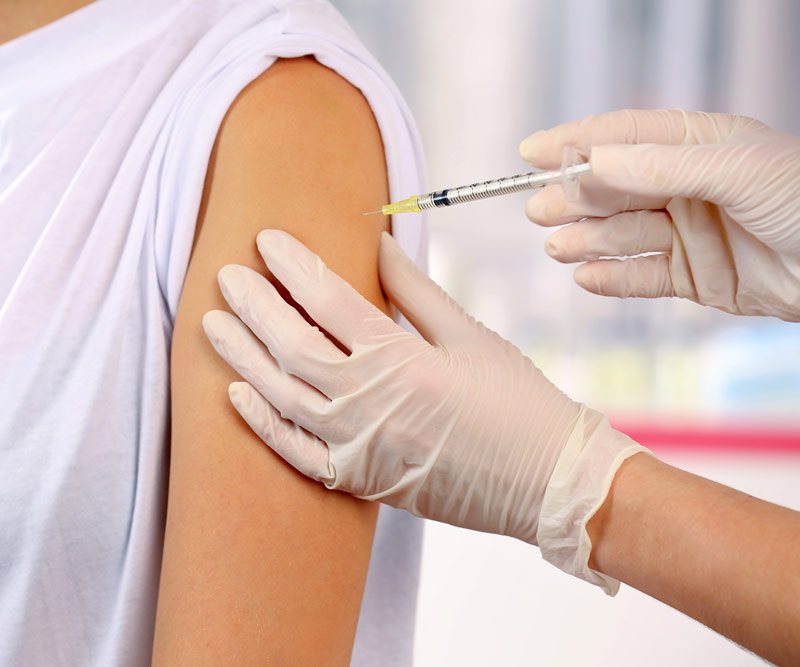
Influenza vaccination is a proactive step that can prevent illness, and if children do get sick, it can reduce the severity. The goal is to prevent severe life-threatening influenza complications and hospitalization.
Vaccinating children can decrease the spread of disease to household members and close contacts at school and other activities. The American Academy of Pediatrics recommends annual influenza vaccination of all children without medical contraindications starting at 6 months of age. Parents can reach out to their health care provider for guidance.
What else can people do to prevent getting sick?
We know that children are in close contact at school in class, at lunch and during activities like sports and dance. These are important childhood experiences that we want for them. Some ways parents can help reduce the chance of children getting the flu include:
- Encourage frequent hand-washing, using hand sanitizer, and cleaning and disinfecting surfaces at home.
- Avoid sharing food and drinks.
- Try to eat healthy, exercise and get enough sleep.
- If someone is sick, they should stay home to get better and avoid spreading any illnesses.
This article was first featured in the Dec. 24, 2025, issue of MidWeek as a part of the “Dr. in the House” series. See the full publication.
Published on: December 24, 2025