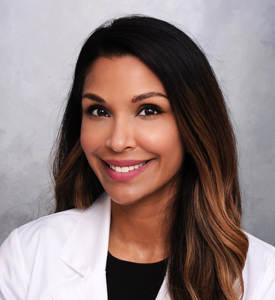
Sanah Christopher, MD
Interventional Cardiology

Stay connected to your care with MyChart® by Hawai‘i Pacific Health – message your provider, view test results, complete forms, and more.
At Hawaiʻi Pacific Health Heart Centers, our experienced cardiologists and heart specialists diagnose and treat a wide range of heart and vascular conditions for patients of all ages, with a focus on compassion, comfort, and personalized support. Using advanced technology and a team-based approach, we’re here to help you feel confident in your care.
If you have a heart problem, you want care you can trust. At Hawaiʻi Pacific Health Heart Centers, we’re here to help you understand your condition and get the treatment that’s right for you.
Our team of experienced specialists encounters a range of heart conditions each day, including:
Certain heart conditions, such as vascular disease or arrhythmias, can put you at an increased risk of stroke.
A stroke is caused when blood flow to your brain is stopped or disrupted.
There are two kinds of stroke:
Anyone can have a stroke at any age. Certain risk factors can increase your risk of having a stroke, including cardiac conditions such as heart disease, high blood pressure, A-fib, and valvular heart disease.
From state-of-the-art echocardiography and cardiac rehabilitation to minimally invasive surgery and catheterization, our Heart Centers offer a range of cardiovascular services for adults to prevent, treat, and recover from various heart conditions.
Multidisciplinary rounds align surgeons, intensivists, cardiologists, and nurses around daily goals of care. We provide families with a written plan and follow up with our outpatient team to support healing at home.
Advanced cardiac imaging offers detailed views to guide diagnosis and treatment. We provide transthoracic and transesophageal echocardiography (including 3D), cardiac MRI for tissue characterization and flow quantification, and cardiac CT for precise anatomical mapping when necessary.
Our imaging protocols limit radiation and sedation needs whenever possible. We review results with multidisciplinary teams to align imaging findings with surgical or catheterization strategies.
Families receive clear explanations. Sometimes annotated images are included to support understanding and shared decisions.
Using cardiac catheterization, our Heart Centers teams are able to treat heart problems such as atherosclerosis, cardiomyopathy, congenital heart disease, heart failure, and heart valve disease through minimally invasive techniques.
We are able to provide interventions such as:
These minimally invasive treatments offer shorter hospital stays and speedier recovery times compared with open-heart surgeries. Care pathways standardize preprocedural evaluation, anesthesia, and post-procedure follow-up for safety and consistency.
We perform these procedures in our state-of-the-art cardiac catheterization labs at Kapiʻolani, Pali Momi, and Straub Benioff medical centers.
For complex anatomy, we collaborate with our Surgery and Imaging teams to choose the right therapy at the right time.
Cardiac rehabilitation is a guided program that helps your heart get stronger after a heart procedure or heart condition. It includes safe exercises, education, and support to help you recover and feel your best.
The Centers for Disease Control and Prevention (CDC), the National Institutes of Health, and the American Heart Association all support cardiac rehabilitation because it can help people:
TAVR is a less invasive procedure that can treat aortic stenosis, a serious problem with the heart valve that controls blood flow out of the heart.
In the past, replacing a heart valve usually required open-heart surgery, which was not always the best option for older adults or people with other health concerns. With TAVR, doctors guide a manmade valve through a small incision and place it inside the damaged valve, helping blood flow more easily through the heart.
For some patients, this option can be safer and may help them recover sooner, so they can get back to everyday life with more comfort and confidence.
ECMO is an advanced type of life support that can help if your heart and/or lungs are too sick to function. It’s a powerful tool that can allow the heart and/or lungs to rest and heal while doctors treat the illness or injury making you sick.
A ST-segment elevation myocardial infraction (STEMI) heart attack happens when a major artery that supplies blood to the heart becomes blocked. It is a medical emergency, and opening the artery quickly can make a lifesaving difference.
The STEMI program at Straub Benioff Medical Center helps care teams respond quickly when a patient has one of the most serious types of heart attack. The goal is to find ways to improve care and get patients the treatment they need as fast as possible.
One important measure is called door-to-balloon time. It tracks how many minutes pass between a patient’s arrival at the hospital and the moment the blocked artery is opened. The faster that happens, the better the chance for a stronger recovery.
Since its implementation in 2021, Straub Benioff’s door-to-balloon time has significantly decreased from 64 minutes to as low as 48 minutes – far below the nationwide goal of 90 minutes.
Diagnosing and treating heart disease in children can be complex. It can require clinical care by a pediatric cardiac specialist.
At the Hawaiʻi Pacific Health Heart Centers, our team handles some of the most challenging pediatric heart conditions in the state. These include:
Our dedicated and highly trained pediatric cardiologists at Kapiʻolani Medical Center for Women & Children provide exceptional, comprehensive care to infants, children, and young adults with heart problems and congenital heart defects.
Services include:
Treatment also extends to expectant mothers. We offer comprehensive fetal echocardiography to evaluate a baby's developing heart before birth.
For families with genetic concerns or a history of heart defects, we also offer genetic counseling and family screening.
Growing children with structural heart defects may need special heart surgery. Our surgery team fixes lots of conditions. From simple holes and valve lesions to complex defects, we use modern perfusion and myocardial protection strategies.
Multidisciplinary rounds align surgeons, intensivists, cardiologists, and nurses around daily goals of care. We provide families with a written plan and follow-up appointments with our outpatient team to support healing at home.
ECMO is an advanced type of life support that can help if a patient’s heart and/or lungs are too sick to function. It’s a powerful tool that can allow the heart and/or lungs to heal while doctors treat their illness or injury. For a few qualified patients, it can also be a bridge to transplant or a long-term mechanical support device.
The Neonatal and Pediatric ECMO Program at Kapiʻolani gives 24/7, state-of-the-art care for newborns and children who need advanced lung and heart support.
The Harmony™ valve is used in cases of pulmonary valve regurgitation, a potentially life-threatening condition where a valve doesn’t close all the way.
This minimally invasive procedure offers an alternative to open-heart surgery for some of the youngest, most vulnerable patients.
The Kapiʻolani Pediatric Heart Center was the first in Hawaiʻi to offer the Harmony™ valve procedure for patients with congenital heart defects. The center enables Kapiʻolani’s team of physicians, surgeons, nurses, and other experts to provide advanced, compassionate treatment for patients and families close to home.
Research translates scientific discovery into improved care for children with heart disease. Our team at Kapiʻolani Medical Center joins studies on:
We share findings through peer-reviewed publications and community education.
Eligible families may be invited to join ongoing studies.
Data quality, privacy, and equity in access are central to our research approach. We bring advances to the bedside sooner by integrating research with daily practice.
Kapiʻolani Medical Center for Women and Children serves children and young adults with heart problems and congenital heart defects.
Our dedicated pediatric cardiologists provide exceptional, world-class cardiac care. Kapiʻolani's Congenital Heart Center provides a medical home for our young people with heart problems.
Opened in 2023, our comprehensive Pediatric Heart Center offers expanded care for Hawaiʻi’s children and families right here at home. This means Kapiʻolani can provide even more lifesaving surgeries and procedures for our youngest patients year-round, without the need to travel thousands of miles to a hospital on the U.S. mainland.
The Kapiʻolani Pediatric Heart Center includes the first pediatric cardiac catheterization laboratory in the state.
The center also was the first in Hawaiʻi to offer the minimally invasive Harmony™ valve procedure for patients with congenital heart defects. This allows Kapiʻolani’s team of physicians, surgeons, nurses, and other experts broader diagnostic capabilities and the ability to fix some cardiac conditions without open-heart surgery.
Our team also offers specialized surgery for adults who were born with congenital heart disease. These procedures are designed with long-term quality of life in mind and may help reduce future risks such as stroke, pregnancy complications, or the need for lifelong blood-thinning medication.
ECMO is an advanced type of life support that can help if a patient’s heart and/or lungs are too sick to function. It’s a powerful tool that can allow the heart and/or lungs to heal while doctors treat their illness or injury. For a few qualified patients, it can also be a bridge to transplant or a long-term mechanical support device.
The Neonatal and Pediatric ECMO Program at Kapiʻolani gives 24/7, state-of-the-art care for newborns and children who need advanced lung and heart support.
Kapiʻolani holds the distinguished Level 1 Children’s Surgery Verification from the American College of Surgeons (ACS).
Level 1 verification is the highest of three designations given by the ACS Children’s Surgery Verification Program to recognize hospitals providing multi-disciplinary, high-quality, patient-centered pediatric surgical care.
Medical centers in this category have the resources and capability to care for infants through young adults, including those requiring complex surgical care such as congenital heart surgery.
Kardiac Kids is a support group for families, young adults, and caregivers affected by congenital and acquired heart defects.
Families of children diagnosed with various cardiac conditions meet regularly to offer support to one another.
Kapiʻolani Medical Center for Women & Children
Phone: 808-983-6000
Pali Momi Heart Center is home to the only interventional cardiac catheterization unit in Central and West Oʻahu, providing lifesaving treatment in emergencies closer to home.
Our commitment to the latest treatment options and innovative technology make us a leader in cardiac care. Our highly trained cardiologists offer a depth of expertise across a range of cardiac conditions, from coronary and structural heart disease to arrhythmias and heart failure.
All heart surgical procedures are performed using minimally invasive techniques, offering less discomfort and a faster recovery.
In the event of a heart attack, Pali Momi Medical Center’s Interventional Cardiac Catheterization Unit brings lifesaving care 100 minutes closer to West and Central Oʻahu residents. We can immediately perform angioplasty, stent placement, and other critical procedures right at Pali Momi. These lifesaving treatments are provided without the delay of transport to a Honolulu-based hospital.
Pali Momi Medical Center
Phone: 808-486-6000
From the beginning, the Clarence T.C. Ching Heart Center at Straub Benioff has been on the forefront of cardiac care in Hawaiʻi – from noninvasive and minimally invasive evaluations to treatments for everything from irregular heartbeats to blockages and other conditions.
Our team of experienced heart specialists is consistently innovating to bring the newest treatments to Hawaiʻi.
We've also led Hawaiʻi in the introduction of minimally invasive surgical procedures, which can dramatically lower trauma and discomfort to the patient and shorten recovery time.
The state-of-the-art hybrid suite at Straub Benioff combines the capabilities of a cardiac catheterization lab with the disinfected environment of an operating room to allow for the quick, seamless transition from an endovascular procedure to open surgery.
As its name suggestions, a hybrid suite can be utilized for multiple purposes, from surgical procedures to vascular and cardiac catheterization procedures as well.
Some of the procedures possible because of the hybrid suite include:
Because the hybrid suite is all-inclusive, complications can be handled immediately, without causing further problems or putting the patient at risk.
The flexibility of the facility also allows physicians to finish different procedures without the need to move between floors or discharge patients.
All of these benefits mean patients experience quicker recovery times, reduced treatment times, and less time in the medical center.
TAVR is a less invasive procedure that can treat aortic stenosis, a serious problem with the heart valve that controls blood flow out of the heart.
In the past, replacing a heart valve usually required open-heart surgery, which was not always the best option for older adults or people with other health concerns. With TAVR, doctors guide a manmade valve through a small incision and place it inside the damaged valve, helping blood flow more easily through the heart.
For some patients, this option can be safer and may help them recover sooner, so they can get back to everyday life with more comfort and confidence.
A ST-segment elevation myocardial infarction (STEMI) heart attack happens when a major artery that supplies blood to the heart becomes blocked. It is a medical emergency, and opening the artery quickly can make a lifesaving difference.
The STEMI program at Straub Benioff Medical Center helps care teams respond quickly when a patient has one of the most serious types of heart attack. The goal is to find ways to improve care and get patients the treatment they need as fast as possible.
One important measure is called door-to-balloon time. It tracks how many minutes pass between a patient’s arrival at the hospital and the moment the blocked artery is opened. The faster that happens, the better the chance for a stronger recovery.
Since its implementation in 2021, Straub Benioff’s door-to-balloon time has significantly decreased from 64 minutes to as low as 48 minutes – far below the nationwide goal of 90 minutes.
ECMO is an advanced type of life support that can help if a patient’s heart and/or lungs are too sick to function. It’s a powerful tool that can allow the heart and/or lungs to heal while doctors treat their illness or injury. For a few qualified patients, it can also be a bridge to transplant or a long-term mechanical support device.
The Adult ECMO Program at Straub Benioff provides support to patients with a range of heart and lung conditions. Our dedicated team of experts uses cutting-edge technology to make a positive impact on patient outcomes.
If a patient at another medical facility is a potential ECMO candidate, we may offer transport to Straub Benioff Medical Center. In certain cases, a patient may be too unstable to transfer without ECMO support. If so, the Straub Benioff Mobile ECMO Team can mobilize and initiate ECMO at other facilities. This is followed by stabilization and transfer to Straub Benioff on ECMO support.
Cardiac rehabilitation is designed to improve heart recovery, improve your ability to function, and prepare you for future daily activities.
Our medically supervised, exercise-based program is designed to improve the heart health of individuals who have had a heart attack, heart surgery, or other form of heart disease.
Straub Benioff Medical Center
Phone: 808-522-4000
The Wilcox Heart Center offers a wide range of adult, noninvasive cardiovascular services, such as echocardiography, exercise stress testing, and cardiac monitoring.
Accredited by the Intersocietal Accreditation Commission, our state-of-the-art echocardiography services offer several options to best fit your needs:
This medically supervised program is for people who have had heart conditions, such as a heart attack, heart surgery, or heart disease.
It is only available to eligible patients who have received a physician referral.
Wilcox Medical Center
Phone: 808-245-1100
 Kapiʻolani Medical Center for Women & Children
1319 Punahou St.
Honolulu, HI 96826
Phone: 808-983-6000
Get directions
Details
Kapiʻolani Pediatric Heart Center
Kapiʻolani Pediatric Heart Center
Kapiʻolani Medical Center for Women & Children
1319 Punahou Street, Suite 950
Honolulu, HI 96826
Phone: 808-983-8933
Get directions
Details
Pali Momi Medical Center
Kapiʻolani Medical Center for Women & Children
1319 Punahou St.
Honolulu, HI 96826
Phone: 808-983-6000
Get directions
Details
Kapiʻolani Pediatric Heart Center
Kapiʻolani Pediatric Heart Center
Kapiʻolani Medical Center for Women & Children
1319 Punahou Street, Suite 950
Honolulu, HI 96826
Phone: 808-983-8933
Get directions
Details
Pali Momi Medical Center
 Pali Momi Medical Center
98-1079 Moanalua Road
‘Aiea, HI 96701
Phone: 808-486-6000
Get directions
Details
Straub Benioff Medical Center
Pali Momi Medical Center
98-1079 Moanalua Road
‘Aiea, HI 96701
Phone: 808-486-6000
Get directions
Details
Straub Benioff Medical Center
 Straub Benioff Medical Center
888 S. King St.
Honolulu, HI 96813
Phone: 808-522-4000
Get directions
Details
Straub Benioff Medical Center – Kapolei Clinic & Urgent Care
Straub Benioff Medical Center – Kapolei Clinic & Urgent Care
Ka Makana Ali‘i
91-5431 Kapolei Parkway, Suite 1706
Kapolei, HI 96707
Phone: 808-426-9300
Get directions
Details
Straub Benioff Medical Center – Mililani Clinic & Urgent Care
Straub Benioff Medical Center
888 S. King St.
Honolulu, HI 96813
Phone: 808-522-4000
Get directions
Details
Straub Benioff Medical Center – Kapolei Clinic & Urgent Care
Straub Benioff Medical Center – Kapolei Clinic & Urgent Care
Ka Makana Ali‘i
91-5431 Kapolei Parkway, Suite 1706
Kapolei, HI 96707
Phone: 808-426-9300
Get directions
Details
Straub Benioff Medical Center – Mililani Clinic & Urgent Care
 Straub Benioff Medical Center – Mililani Clinic & Urgent Care
Town Center of Mililani
95-1249 Meheʻula Parkway, Building M
Mililani, HI 96789
Phone: 808-625-6444
Get directions
Details
Straub Benioff Medical Center – Mililani Clinic & Urgent Care
Town Center of Mililani
95-1249 Meheʻula Parkway, Building M
Mililani, HI 96789
Phone: 808-625-6444
Get directions
Details
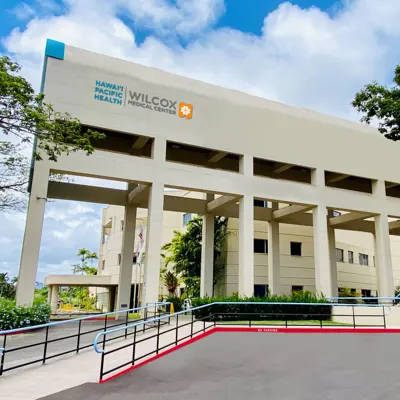 Wilcox Medical Center
3-3420 Kūhiō Highway
Līhu‘e, HI 96766
Phone: 808-245-1100
Get directions
Details
Kauaʻi Medical Clinic
Wilcox Medical Center
3-3420 Kūhiō Highway
Līhu‘e, HI 96766
Phone: 808-245-1100
Get directions
Details
Kauaʻi Medical Clinic
 Kauaʻi Medical Clinic
3-3420 Kūhiō Highway, Suite B
Līhu‘e, HI 96766
Phone: 808-245-1500
Get directions
Details
Kauaʻi Medical Clinic – Kapaʻa
Kauaʻi Medical Clinic
3-3420 Kūhiō Highway, Suite B
Līhu‘e, HI 96766
Phone: 808-245-1500
Get directions
Details
Kauaʻi Medical Clinic – Kapaʻa
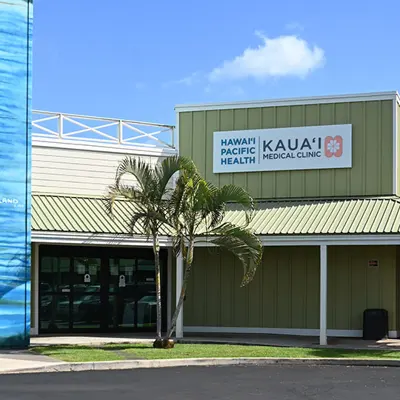 Kauaʻi Medical Clinic – Kapaʻa
4-831 Kūhiō Highway
Kapaʻa, HI 96746
Phone: 808-822-3431
Get directions
Details
Kauaʻi Medical Clinic – Kapaʻa
4-831 Kūhiō Highway
Kapaʻa, HI 96746
Phone: 808-822-3431
Get directions
Details
Interventional Cardiology
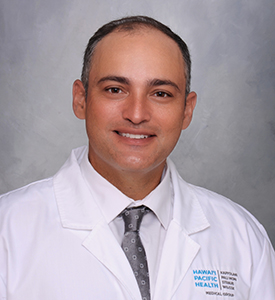
Interventional Cardiology
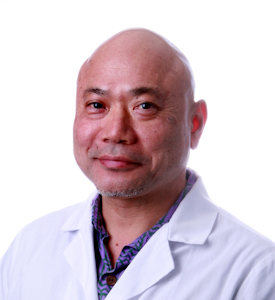
Cardiology
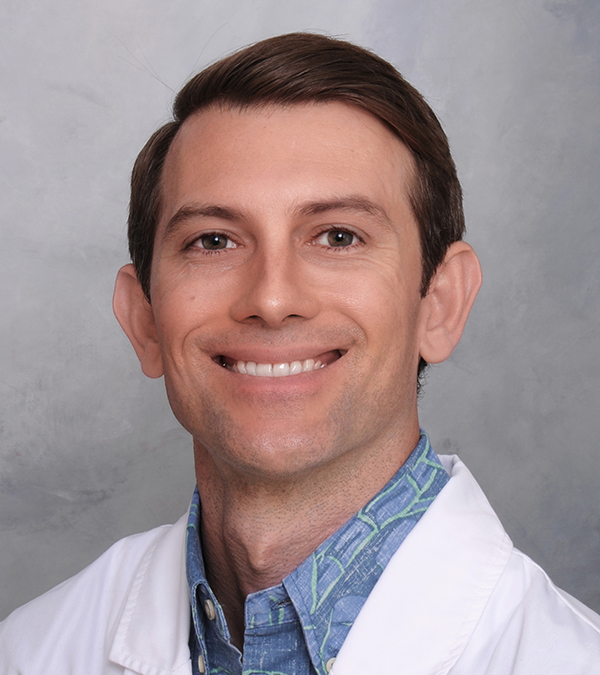
Cardiology
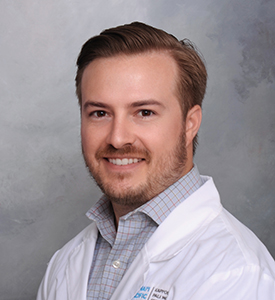
Cardiology, Internal Medicine, Cardiovascular Disease
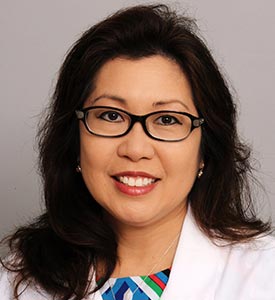
Cardiology
Cardiovascular Disease, Internal Medicine, Cardiology, Nuclear Cardiology, Adult Comprehensive Echocardiography
Interventional Cardiology
Cardiology, Cardiovascular Imaging
Interventional Cardiology
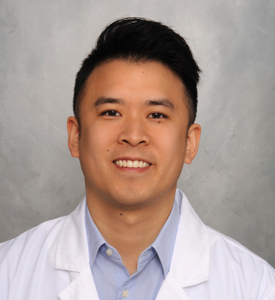
Interventional Cardiology

Interventional Cardiology
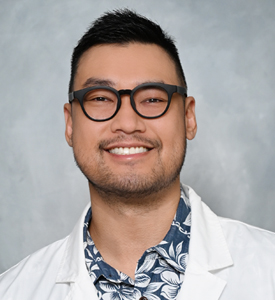
Cardiovascular Disease, Internal Medicine, Cardiology
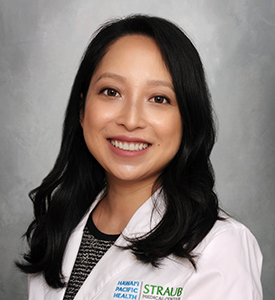
Cardiology, Heart Failure
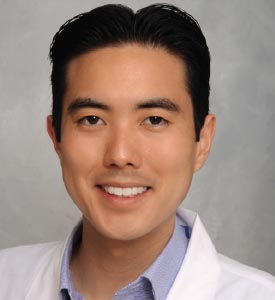
Interventional Cardiology
Cardiovascular Disease
Interventional Cardiology
Cardiology, Cardiovascular Disease
Interventional Cardiology
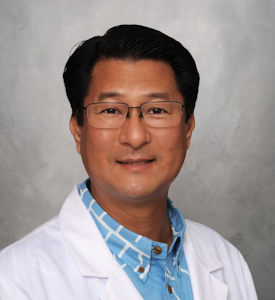
Cardiac Electrophysiology
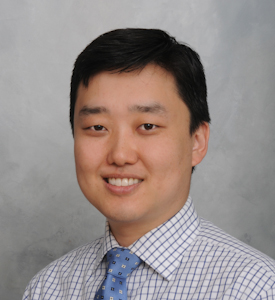
Cardiac Electrophysiology
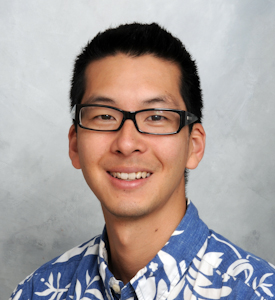
Cardiac Electrophysiology
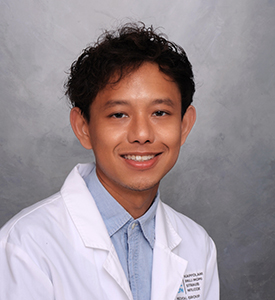
Cardiovascular Disease, Cardiac Electrophysiology, Cardiology
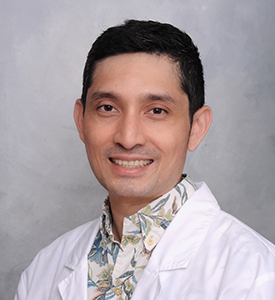
Cardiac Electrophysiology, Cardiovascular Disease, Cardiology
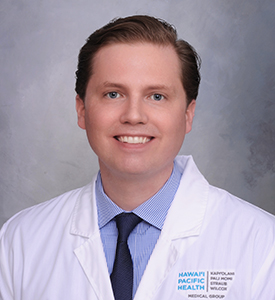
Cardiothoracic Surgery
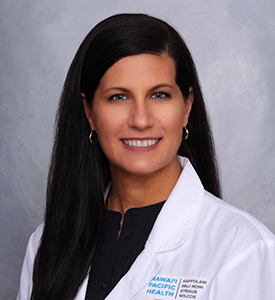
Cardiothoracic Surgery
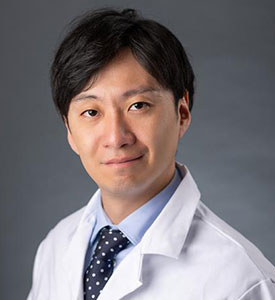
Thoracic Surgery, Pediatric Cardiothoracic Surgery
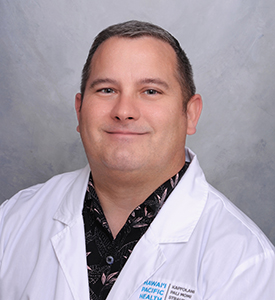
Cardiothoracic Surgery
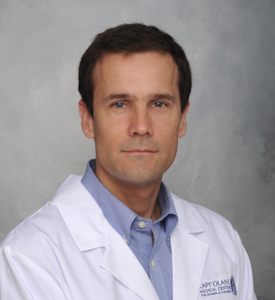
Pediatric Cardiology
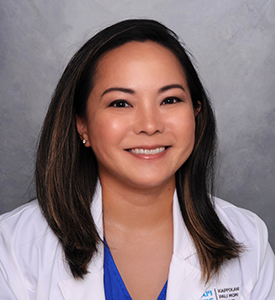
Pediatric Cardiology
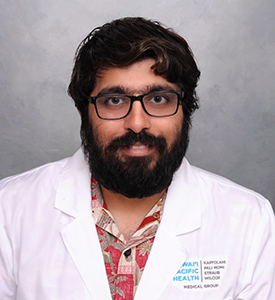
Pediatric Cardiology
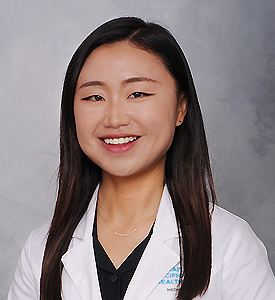
Pediatric Cardiology, Cardiology
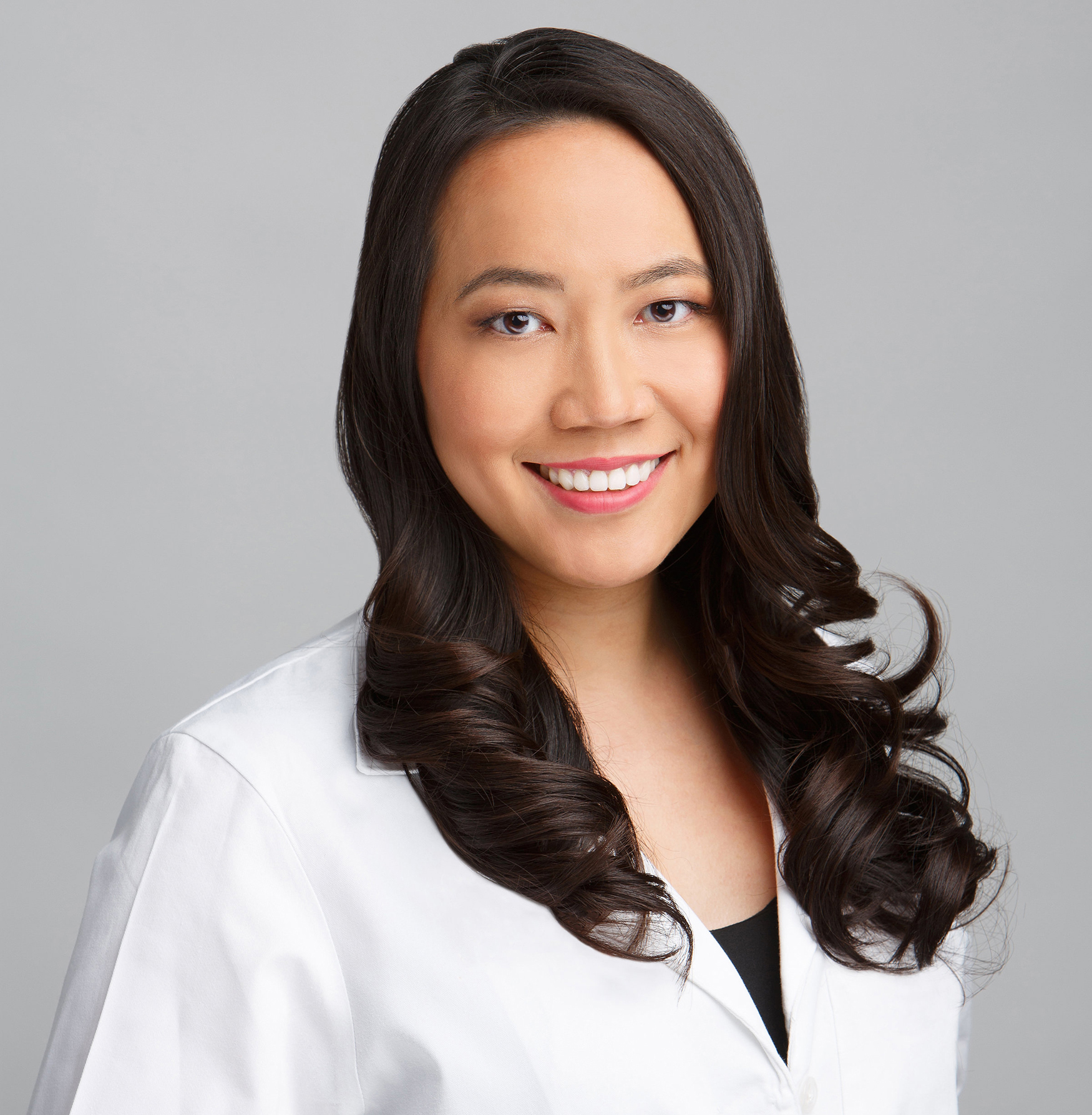
Pediatric Cardiology
Pediatric Cardiology
Vascular Surgery
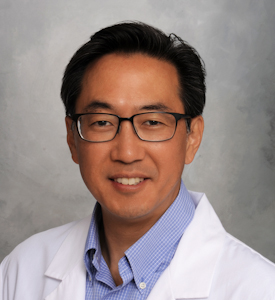
Vascular Surgery
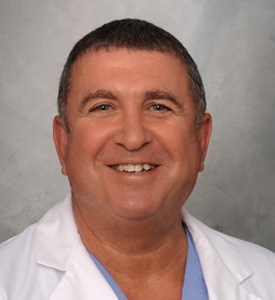
Vascular Surgery
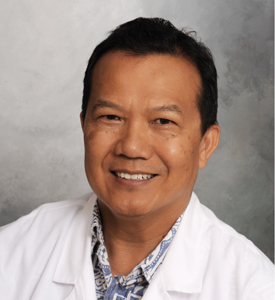
Vascular Surgery
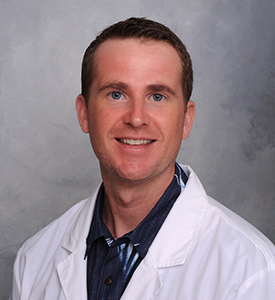
Vascular Surgery
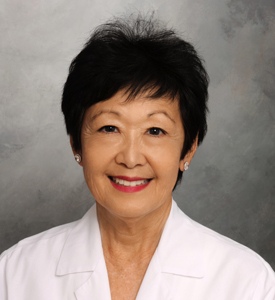
Vascular Surgery
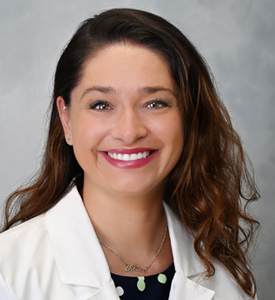
Vascular Surgery, General Surgery


