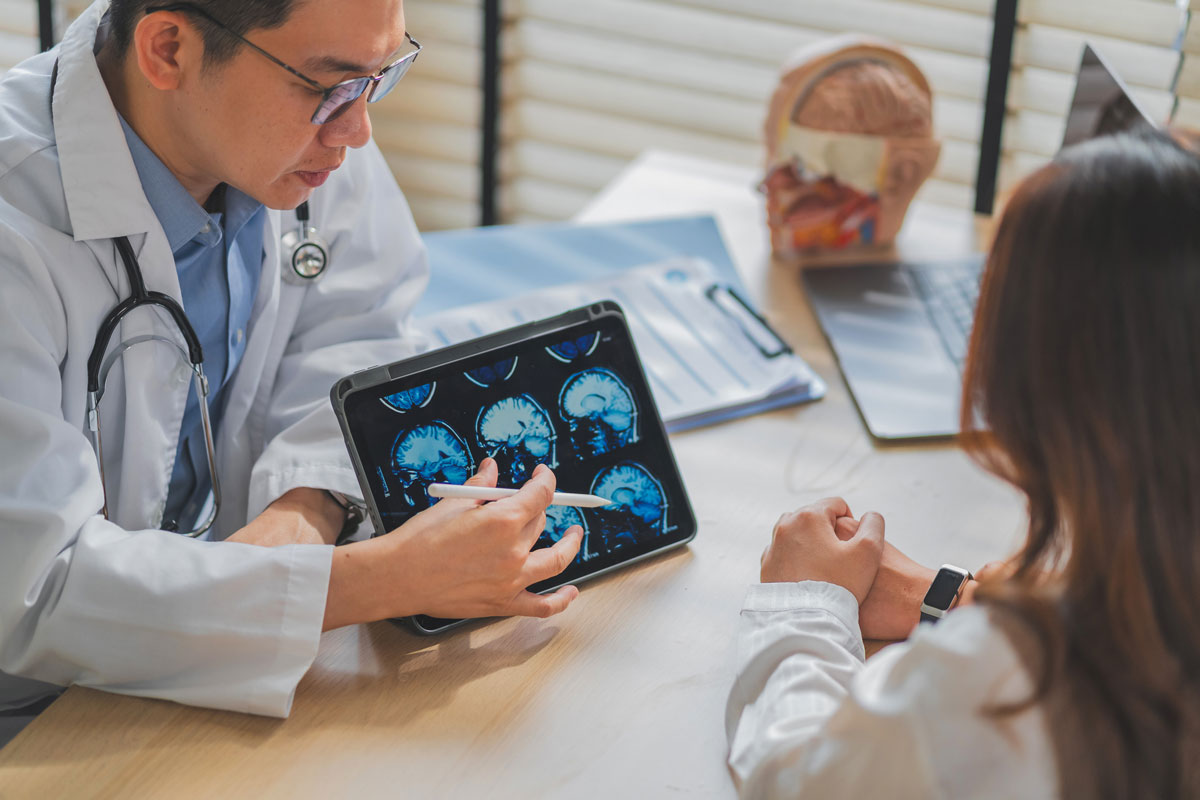
What You Should Know About Strokes
According to the Hawaii Department of Health, stroke is the third most common cause of death in the state. However, stroke is the leading cause of long-term disability.
In addition, according to DOH, Hawaii's rate of stroke deaths is higher than the national average.
Dr. Keli Tahara is a Hawaii Pacific Health Medical Group neurologist based at Pali Momi Medical Center, where she helps patients understand their diagnosis, manage their symptoms, and guide them to resources that could improve their quality of life.
"I was drawn to neurology because I enjoyed the diagnostic challenge and found the psychosocial aspects to be incredibly meaningful, especially because many neurological conditions are disabling and do not have a cure," Dr. Tahara said.
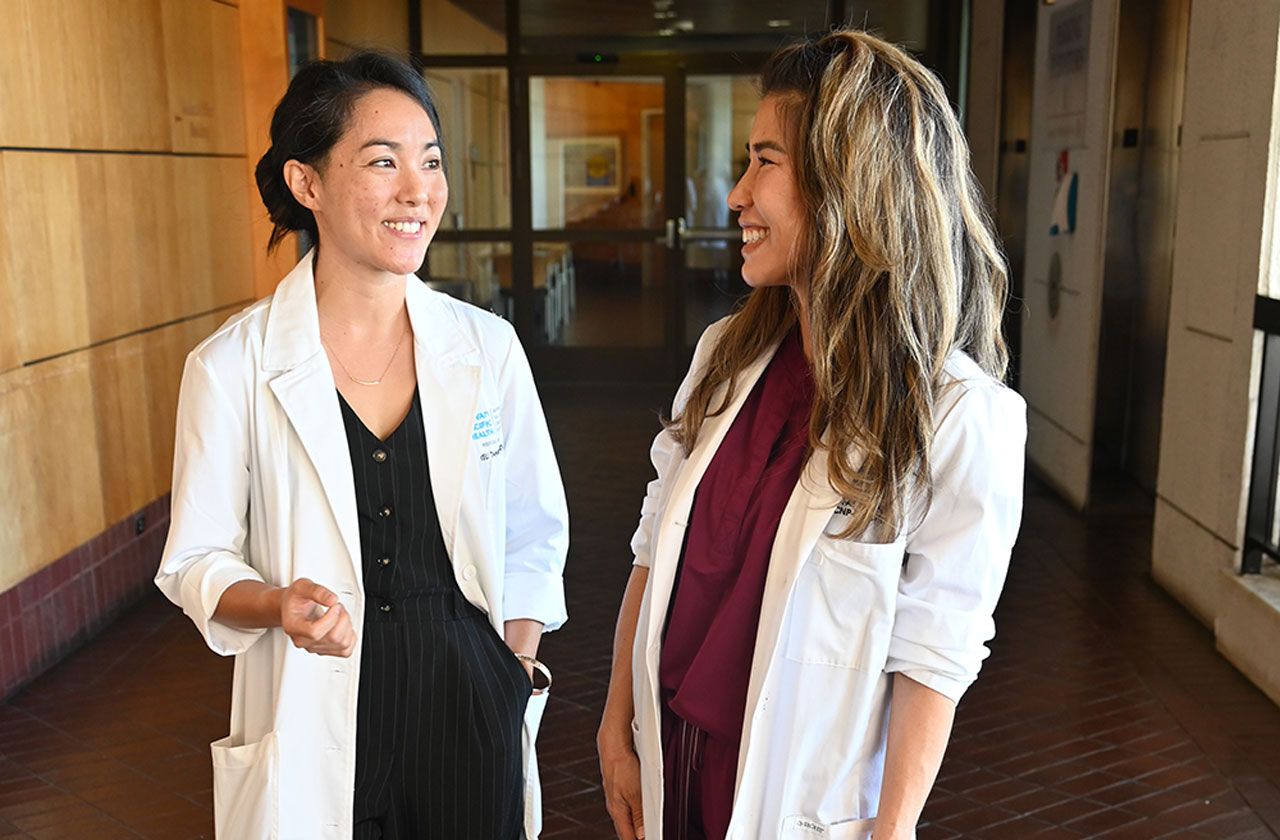
Pali Momi serves as a Primary Stroke Center, which is a hospital certified for its specialized ability to stabilize, diagnose, and treat acute stroke patients quickly.
Below, Dr. Tahara provides valuable information about risk factors, causes, and, most importantly, how to recognize if someone is having a stroke and what to do.
What causes a stroke and what are the risk factors?
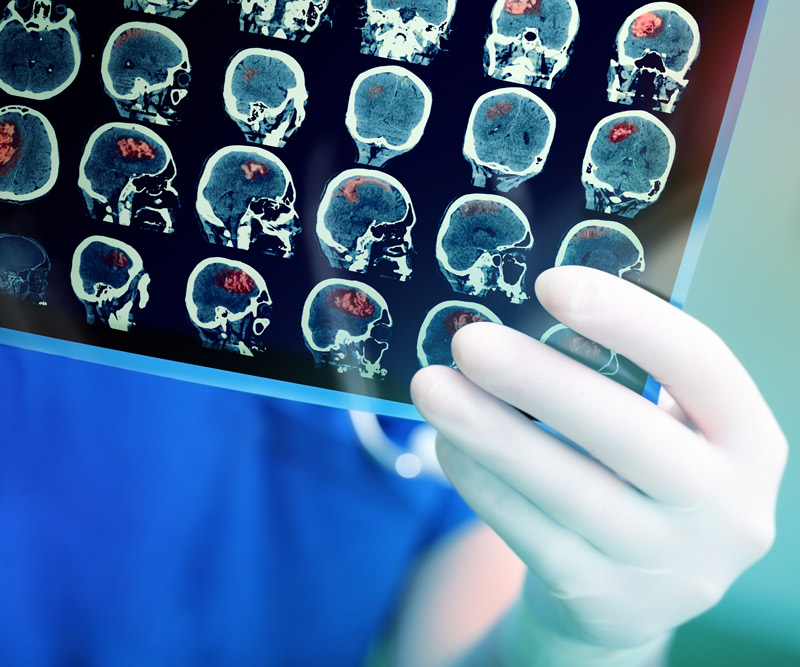
An ischemic stroke is a sudden injury to brain tissue caused by an interruption of blood flow. It occurs when an artery supplying the brain becomes blocked, usually by a clot, plaque buildup, or blood vessel disease. Without blood flow, brain cells can quickly become injured and die. Risk factors include high blood pressure, diabetes, high cholesterol, tobacco use, irregular heart rhythms such as atrial fibrillation, and drug use, especially cocaine and methamphetamine.
What are the symptoms?
Stroke symptoms depend on the area of the brain affected. Even one sudden symptom can signal a stroke. The warning signs can be remembered with the acronym BEFAST:
B = Balance: Sudden vertigo, loss of balance or incoordination.
E = Eyes: Sudden vision changes, such as double vision or loss of vision in one or both eyes.
F = Face: One side of the face droops or feels numb.
A = Arm (or Leg): Weakness or numbness in one arm and/or leg.
S = Speech: Sudden speech difficulty, including slurring, speaking gibberish, difficulty getting words out, or difficulty understanding others.
T = Time: Call 911 immediately. Note what time you were last normal and what time the symptoms were first noticed; this can help determine treatment options. For example, if a person wakes up with stroke symptoms, the last known normal time would be before they went to sleep.
What should you do if you suspect you or someone you love is having a stroke?
Call 911 right away – do not wait to see if symptoms will improve, and do not drive yourself to the hospital. Brain cells start dying within minutes, and more cells become permanently damaged as time goes on.
By getting to a stroke center quickly, you may qualify for interventions to help save brain tissue and potentially reverse the stroke symptoms. Some people may be eligible for a clot-busting medication called Tenecteplase, or a procedure to physically remove the clot. Paramedics can help you get to the most appropriate facility for treatment when every second counts.
How can you prevent a stroke?
Stroke risk can be significantly reduced by controlling its risk factors and adopting healthy lifestyle habits. Keep blood pressure, cholesterol, and blood sugar under control. Your primary care provider can help with this.
Other important habits include:
- Not smoking
- Staying physically active
- Eating a heart-healthy diet, such as the Mediterranean diet
- Maintaining a healthy weight
- Taking prescribed medications as directed
This article was first featured in the May 27, 2026, issue of MidWeek as a part of the "Dr. in the House" series. See the full publication.
Published on: May 28, 2026