How We Protect Every Patient, Every Time
We care about your health and want to keep you safe while you are in the hospital. This page shows what we are doing to stop infections and how you can also help!
What’s on this page:
- What we do to keep you safe
- Ways you can help
- How we are doing
Our Commitment to Safety
Hawaii Pacific Health is committed to keeping our patients safe. We follow the highest standards to prevent infections through rigorous hygiene protocols, continuous staff training, and evidence-based practices.
Our goal is simple: To protect every patient, every time.
Tap to learn more:
- What are hospital-acquired infections (HAIs)
- How we stop urine infection from tubes (CAUTI)
- How we stop blood infection in tubes (CLABSI)
- How we fight bad germs (C. diff)
- How we stop hard-to-treat germs (MRSA)
- How we prevent infections after surgery (SSI)
- How we protect the skin when hospitalized (Pressure Injuries)
- How we stop falls and injuries that cause harm
Hospital Acquired Infections
On any given day, about one in 31 hospital patients has at least one healthcare-associated infection in the United States, according to the CDC.
What Are Healthcare-Acquired Infections (HAIs)?
People who spend the night in a hospital can sometimes get sick from germs there. These sicknesses are called healthcare-acquired infections, or HAIs. HAIs can happen in places like your lungs, skin, or urinary tract, and are usually caused by bacteria or viruses.
Why Preventing HAIs Matter
HAIs can cause people to get very sick, stay in the hospital longer, and in some cases, they can even be life-threatening. They are tough for both patients and the hospital. But the good news is that many HAIs can be stopped by following simple safety steps.
The Importance of Handwashing
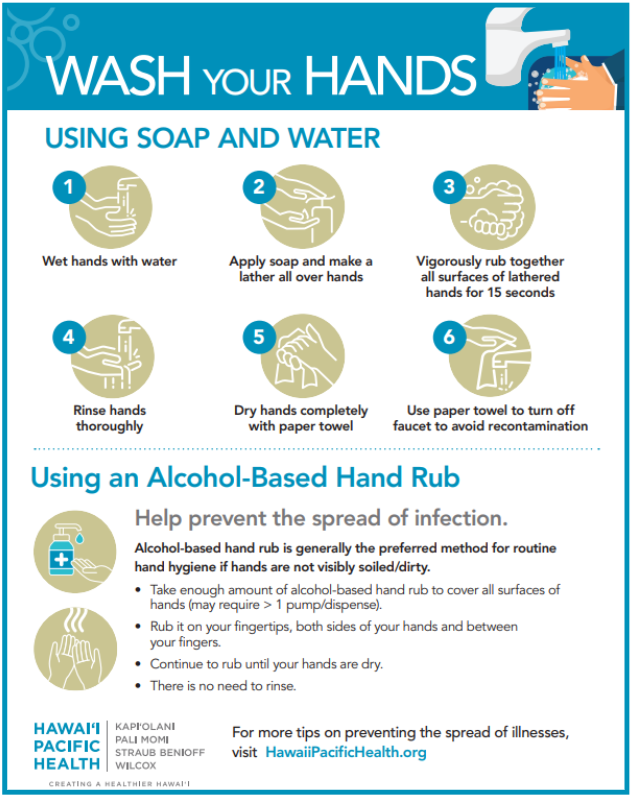
Washing your hands is one of the best ways to stop the spread of germs in the hospital. Both patients and hospital workers should wash their hands often. Patients should clean their hands before eating, after going to the bathroom, and whenever they think it’s needed. If you don’t see a hospital worker wash or use hand sanitizer before helping you, it’s okay to kindly remind them to do so.
Handwashing Guide
Catheter-Associated Urinary Tract Infection (CAUTI)
What Is a Catheter-Associated Urinary Tract Infection (CAUTI)?
A catheter-associated urinary tract infection, or CAUTI, happens when germs get into the bladder through a thin tube called a catheter.
What Is a Catheter?
A catheter is a soft tube that doctors use to drain pee from the bladder. It is used if someone can’t go to the bathroom by themselves or has trouble controlling when they pee.
What Can Make You Get an Infection?
If a catheter stays in too long or isn’t used the right way, it can make it easier for germs to cause an infection.
What Are the Signs of an Infection?
Some signs that there may be an infection are having a fever, pain in your tummy, or burning when you pee.
Why Is It Important to Prevent CAUTIs?
Stopping CAUTIs helps keep patients from getting painful infections. It also helps patients avoid staying in the hospital longer or needing extra medicine, like antibiotics.
What You Can Do to Help Prevent CAUTI
- Call the Nurse if You Notice Symptoms
Tell your nurse right away if you feel pain, pressure, burning, or notice that your pee smells bad. These things could mean you have an infection, and a doctor or nurse should check you as soon as possible. - Daily Catheter Care
Your nurse will check, empty, and clean your catheter often. Doing this helps stop germs from causing infections. It also keeps the area around the catheter clean and healthy, and lets the nurse see if anything looks wrong. - Keep The Catheter Secure
Your catheter is held in place with a small device so it doesn’t move around. Don’t pull or tug on it. If it feels loose or uncomfortable, tell your nurse right away. Never try to fix or move the catheter or tube by yourself.
What HPH is Doing to Prevent CAUTIs
- Limiting Catheter Use
Foley catheters are only used when medically necessary and are taken out as soon as no longer needed. - Catheter Alternatives
External catheters (those that don’t go inside the body) and other options can be used to bring down unnecessary catheter use. - HPH Medical Team
Our medical team sets standards for safe catheter insertion and care. They review any infections to help us continually improve how we care for patients. - Evidence-Based Practice Updates
Hospitals change the way they do things to follow the latest rules and keep patients safe.
How We are Doing (Our Patient Safety Results)
Our Goal: Achieve ZERO Preventable Harm for All of Our Patients
Data time period: January 2024 to December 2024.
Confirmed cases: Actual infections that happened in our facilities.
Expected cases: Estimates based on national data from the CDC’s National Healthcare Safety Network (NHSN), adjusted for patient health and risk levels.
Why we compare them:
- To see where we are doing well
- To find areas for improvement in protecting our patients
| Facility | Number of Confirmed Cases | Number of Expected Cases |
|---|---|---|
| Kapiolani | 4 | 1.4 |
| Pali Momi | 0 | 3.3 |
| Straub Benioff | 5 | 6.6 |
| Wilcox | 2 | 1.2 |
Data table lists CAUTI confirmed and expected case counts by facility.
Central Line-Associated Bloodstream Infection (CLABSI)
What Is CLABSI?
CLABSI means Central Line-Associated Bloodstream Infection. This can happen when germs like bacteria or fungi get into your blood through a plastic tube that gives you medicine.
What Is a Central Line?
A central line is a special tube put into a big vein near your heart. It is usually in your neck, chest, or groin. Doctors use it to give you medicine, fluids, or take blood for tests.
What Can Make CLABSI More Likely?
- Having a central line for a long time
- Not keeping the area around the tube clean
- Using the tube too much
What Are the Signs of CLABSI?
- Fever
- Soreness or pain around the tube
- Redness near where the tube goes in
Why Is It Important to Prevent CLABSI?
Stopping CLABSI is very important because it keeps dangerous infections out of your blood. These infections can spread fast and can be very serious.
What You Can Do to Help Prevent CLABSI
- Pay Attention to the Area Around Your Line
Watch for signs like redness, swelling, or pain where the tube goes into your body. These can be early signs of infection. If you see anything strange, tell your nurse right away. - Do Not Touch the Line
Do not touch or move your central line or the tube connected to it. Only nurses or doctors should take care of it to make sure it stays clean and safe. - Keep the Area Dry and Clean
Unless your doctor tells you something different, the bandage over your line should always be clean, dry, and stay on. If it gets wet or starts to come off, tell your nurse right away so they can put on a new one for you. - Good Hand Hygiene Matters
Always wash your hands with soap and water or use hand sanitizer before and after you touch your body, especially near your central line. Remind your visitors to clean their hands, too. Clean hands help keep you and everyone else safe.
What HPH is Doing to Prevent CLABSI
- Limiting Catheter Line Use
Central lines are only used when medically necessary and are removed as soon as they are not needed. - Sterile Insertion & Maintenance
Staff are trained to use proper protective coverings and specific ways to insert and maintain the central line. - HPH Medical Team
Our medical team sets standards for safe catheter insertion and care. They review any infections to help us continually improve how we care for patients. - Evidence-Based Practice Updates
Hospitals change the way they do things to follow the latest rules and keep patients safe.
How We are Doing (Our Patient Safety Results)
Our Goal: Achieve ZERO Preventable Harm for All of Our Patients
Data time period: January 2024 to December 2024.
Confirmed cases: Actual infections that happened in our facilities.
Expected cases: Estimates based on national data from the CDC’s National Healthcare Safety Network (NHSN), adjusted for patient health and risk levels.
Why we compare them:
- To see where we are doing well
- To find areas for improvement in protecting our patients
| Facility | Number of Confirmed Cases | Number of Expected Cases |
|---|---|---|
| Kapiolani | 6 | 17.5 |
| Pali Momi | 3 | 5.9 |
| Straub Benioff | 8 | 10.1 |
| Wilcox | 2 | 1.5 |
Data table lists CLABSI confirmed and expected case counts by facility.
Clostridioides difficile Infection (C. diff)
What Is C. diff?
C. diff is a germ (bacteria) that can make your colon, which is part of your large intestine, sick.
How Do People Get C. diff?
You can get C. diff after taking antibiotics for a long time, or if you need lots of different antibiotics one after another.
What Are the Symptoms?
If you have C. diff, you might have diarrhea (sometimes with blood), a fever, stomach aches, and you might not feel like eating.
Who Is at Risk?
People who take antibiotics, stay in hospitals, are around others with C. diff, or are in places where people don’t wash their hands well are more likely to get it.
How Does It Spread?
C. diff germs can stay on things like door handles, beds, and tables for a long time. They don’t always wash away with regular soap or hand sanitizer. The germs can spread when people touch things or each other.
Why Should We Stop It?
Keeping C. diff from spreading helps protect patients and hospital workers from getting very sick. It also helps keep the hospital safe for everyone.
What You Can Do to Help Prevent C. diff
- Wash Your Hands with Soap and Water
Hand sanitizer does not kill C. diff germs. Always wash your hands with soap and water after you leave the room of someone with a C. diff infection. - Take Antibiotics Exactly as Directed
If you need to take antibiotics, make sure you take them just the way your doctor says. Don’t miss any doses or stop taking them early unless your doctor tells you to. Not following your doctor’s instructions can make it easier for you to get C. diff. - Keep Your Hands, Body and Surrounding Space Clean
Keep your room neat and don’t keep too many things in it. This helps staff clean your room better and faster. C. diff germs can stay on surfaces for a long time, so cleaning with bleach often is very important.
What HPH is Doing to Prevent C.Diff
- Limiting Antibiotic Use
HPH staff are trained to only prescribe antibiotics when truly necessary through our antibiotic stewardship program. - Special Cleaning
We use special hospital-grade bleach disinfectants that are proven to kill C. diff germs on surfaces and equipment. - Personal Protective Equipment
Staff follow “Contact Plus Precautions,” this includes wearing a minimum of gown and gloves when caring for patients with C. diff to prevent the spread of C. diff spores to other patients and staff members. - HPH Medical Team
The medical team tracks and reviews all C. diff cases and educates staff on ways to prevent C. diff infections. - Evidence-Based Practice Updates
Hospitals change the way they do things to follow the latest rules and keep patients safe.
Methicillin-Resistant Staphylococcus aureus (MRSA)
What Is MRSA?
MRSA stands for Methicillin-Resistant Staphylococcus aureus. It is a kind of germ (bacteria) that can make people very sick. MRSA can cause infections on your skin, in your lungs, or in your blood.
How Does MRSA Spread?
You can get MRSA by touching skin, wounds, or things (like towels or surfaces) that have the germs on them. It can also spread from person to person by touch.
Why Is MRSA Hard to Treat?
MRSA is hard to treat because many antibiotics, which are medicines that usually kill germs, do not work well against it.
What Is Antibiotic Resistance?
Sometimes, germs get used to antibiotics and stop being killed by them. This can happen if people use antibiotics too often or don’t take them the right way. MRSA is one of these tough germs, sometimes called a “superbug.”
Why Is This Important?
When germs like MRSA are hard to kill, people can stay sick longer and may need to stay in the hospital more. It can also make the infection more dangerous and harder to treat.
Why Should We Try To Prevent MRSA?
If we stop MRSA from spreading, we can protect everyone from these hard-to-treat germs. This helps keep people healthy, makes sure our medicines keep working, and helps fight the bigger problem of germs that are hard to treat in hospitals.
What You Can Do to Help Prevent MRSA
- Watch for Symptoms of Infection
MRSA can make your skin look red, swollen, or give you bumps and sores. If you see any new or sore spots on your skin, or think you might have MRSA, tell your nurse right away. - Keep Wounds Covered
If you have any cuts, places where you had surgery, or open skin, keep them clean and covered with a bandage. This helps stop germs from getting in or spreading to others. - Avoid Sharing Personal Items
Do not share towels, razors, or clothes with other people. MRSA germs can stay on these things for a long time and spread to others when you use them. - Practice Good Hand Hygiene
Wash your hands often. You can use hand sanitizer or wash with soap and water. Be sure to wash your hands before you eat and after you use the bathroom. Ask your visitors to wash their hands before, while, and after they are with you. Keeping hands clean is one of the easiest ways to stop MRSA and other germs from spreading.
What HPH is Doing to Prevent MRSA
- Limiting Antibiotic Use
HPH staff are trained to only prescribe antibiotics when truly necessary through our antibiotic stewardship program. - Special Cleaning
We use special hospital-grade disinfectants that are proven to kill MRSA on surfaces and equipment. - Personal Protective Equipment
Staff follow Contact Precautions, this includes wearing a minimum of gown and gloves when caring for patients with MRSA to prevent the spread of germs to other patients and staff members. - HPH Medical Team
The medical team tracks and reviews all MRSA cases and educates staff on ways to prevent MRSA. - Evidence-Based Practice Updates
Hospitals change the way they do things to follow the latest rules and keep patients safe.
Surgical Site Infections (SSI)
What Are SSIs?
SSI means Surgical Site Infection. This is when germs get into the spot on your body where you had surgery and make it infected.
When Do They Happen?
SSIs usually happen within 30 days after your surgery.
What Are The Symptoms?
If you have an SSI, the area might be red, swollen, warm, or hurt. You might see pus, and the wound may take longer to heal.
How Serious Can It Be?
Some SSIs are not too bad, but others can get worse and spread. Sometimes, they can cause a very serious problem called sepsis, which is a big infection that affects your whole body.
What Makes Them More Likely?
Things like longer surgery, certain health problems, or not keeping your wound clean can make SSIs more likely.
Why Is It Important To Prevent SSIs?
If you stop SSIs from happening, you can heal faster, feel better, and you won’t need extra medicine or have to stay in the hospital longer.
What You Can Do to Help Prevent SSIs
- Watch Your Surgical Site
Look at your surgery spot every day if you can. Check for redness, swelling, warmth, or pus. If you see any of these, or if it starts to hurt more, tell your nurse or doctor right away. - Keep the Area Clean and Dry
Unless your care team tells you something different, try to keep your surgery spot clean and dry. Don’t touch it if you don’t have to, and don’t take off any bandages unless your care team says it’s okay. - Follow Wound Care Instructions
Don’t take a shower or bath until your care team says it’s okay. Getting your wound wet too soon can make it more likely to get infected. If your care team gives you instructions for cleaning or taking care of your wound, make sure to follow them. Don’t go swimming or sit in a bathtub unless your doctor or care team says it’s safe. - Eat A Healthy Diet
Eating good food helps your body get better after surgery. Try to eat foods like meat, eggs, fruits, and vegetables, and drink plenty of water. These will help you heal and keep you from getting sick.
What HPH is Doing to Prevent SSIs
- Personal Protective Equipment
All equipment is cleaned and stored in accordance to all federal and state regulatory guidelines. - HPH Medical Team
HPH medical team make sure that HPH’s cleaning and sterilization processes are followed. - Evidence-Based Practice Updates
Hospitals change the way they do things to follow the latest rules and keep patients safe.
Stage 3 and 4 Pressure Injuries
About Pressure Injuries
Pressure injuries are sores that happen when someone stays in one position for too long, like lying in bed or sitting in a wheelchair. These sores are also called bedsores.
Where Do They Happen?
Pressure injuries usually show up on parts of the body where bones are close to the skin, like your back, hips, heels, or elbows.
What Do They Look Like?
The skin may look red or pink, have blisters, or even turn into a deep sore.
Who Gets Them?
People who have to stay in bed or use a wheelchair for a long time are more likely to get pressure injuries.
Why Are They Serious?
If pressure injuries are not treated, they can get worse, go deep into the skin, and become infected.
What Are Stage 3 and 4 Pressure Injuries?
These are the worst kinds. The sore can go deep into the skin and sometimes reach muscles or bones.
Why Is It Important To Prevent Them?
Stopping pressure injuries helps keep your skin healthy, lowers pain, and helps you heal faster and feel better.
What You Can Do to Help Prevent Pressure Injuries
- Frequent Movement
Moving often is one of the best ways to stop pressure sores from forming. This is because it keeps one part of your skin from being pressed for too long. Trained helpers can help you change your position every two hours to keep your skin healthy and prevent these sores. - Proper Nutrition and Hygiene
Eating healthy foods and drinking enough water can help keep your skin strong and lower the chances of getting pressure sores. Keeping your skin clean and dry also helps stop these sores from forming and can prevent infection if you do get a sore.
What HPH is Doing to Prevent Pressure Injuries
- Regular Patient Repositioning
Patients at risk for pressure ulcers will be repositioned every two hours by a registered nurse (RN) or certified nursing assistant (CNA). - Specialized Equipment
Specialized hospital equipment, such as pressure-relieving mattresses, cushions, and pads, are used to help reduce the risk of developing pressure ulcers for at-risk patients. - Evidence-Based Practice Updates
Hospitals change the way they do things to follow the latest rules and keep patients safe.
How We are Doing (Our Patient Safety Results)
Our Goal: Achieve ZERO Preventable Harm for All of Our Patients
Data time period: January 2024 to December 2024.
Confirmed cases: Actual infections that happened in our facilities.
Expected cases: Estimates based on national data from Premier, Inc., adjusted for patient health and risk levels.
Why we compare them:
- To see where we are doing well
- To find areas for improvement in protecting our patients
| Facility | Number of Confirmed Cases | Number of Expected Cases |
|---|---|---|
| Kapiolani | 0 | 0 |
| Pali Momi | 1 | 1 |
| Straub Benioff | 1 | 1.1 |
| Wilcox | 0 | 0.03 |
Data table lists Stage 3 and 4 Pressure Injuries confirmed and expected case counts by facility.
Patient Falls With Injury
What Are Patient Falls?
A patient fall is when someone in the hospital loses their balance and gets hurt.
How Bad Can It Be?
Sometimes people just get a small bump or bruise, but falls can also cause broken bones or even hurt someone's head.
Who Can Fall?
Older people, people who take certain medicines, or people who have health problems like a stroke are more likely to fall.
Why Do Falls Happen?
Falls can happen if your muscles are weak, if you feel dizzy, or if you are in a place you don’t know well.
What Happens After a Fall?
If someone falls, it might take longer for them to get better, and they could have more health problems.
Why Is It Important To Stop Falls?
Preventing falls helps patients stay safe, heal more quickly, and go home from the hospital sooner.
What You Can Do to Help Prevent Falls With Injury
- Utilizing Staff Assistance
Asking for help when you need to walk or use the bathroom can help keep you from falling. The hospital staff know how to help you move safely and are always ready to help. Just press the call button before you get up or move around. - Safe Environment
It’s important to keep the room bright and not have too many things around the patient. This helps stop falls. Make sure things like the call button, walking helpers, and personal items are easy to reach. Try not to bring lots of stuff from home because it can make the room messy and harder for patients and staff to move around.
What HPH is Doing to Prevent Falls
- Yellow Socks and Gowns
Patients who might be high risk for falls are given yellow socks and gowns in order for staff to easily identify them. - Bed Alarms
Bed alarms are turned on for patients with high fall risk so staff get an alarm if a patient tries to leave their bed. - Fall Risk Assessments
Every patient is checked to see if they might fall so hospital staff can help keep you safe.
How We are Doing (Our Patient Safety Results)
Our Goal: Achieve ZERO Preventable Harm for All of Our Patients
Data time period: January 2024 to December 2024.
Confirmed cases: Actual infections that happened in our facilities.
Expected cases: Estimates based on national data from Premier, Inc., adjusted for patient health and risk levels.
Why we compare them:
- To see where we are doing well
- To find areas for improvement in protecting our patients
| Facility | Number of Confirmed Cases | Number of Expected Cases |
|---|---|---|
| Kapiolani | 0 | 0 |
| Pali Momi | 0 | 0.5 |
| Straub Benioff | 0 | 0.6 |
| Wilcox | 0 | 0.2 |
Data table lists Falls with Injuries confirmed and expected case counts by facility.