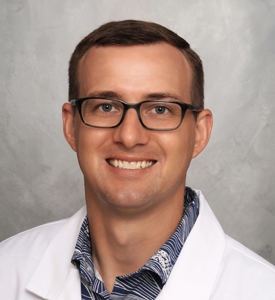
Craig Boddy, MD
Hematology/Oncology, Benign And Malignant Hematology

The Hawaiʻi Pacific Health Cancer Centers provide comprehensive, state-of-the-art care across our four medical centers – Kapiʻolani, Pali Momi, Straub Benioff, and Wilcox. Our team of doctors, nurses, and other healthcare specialists is honored to bring exceptional cancer care to patients, their families, and our community.
Stay connected to your care with MyChart® by Hawai‘i Pacific Health – message your provider, view test results, complete forms, and more.
Learning you have cancer is scary. It can be confusing, overwhelming, and frustrating. But you don’t have to face it alone.
At the Hawaiʻi Pacific Health Cancer Centers, we are committed to providing compassionate, high-quality care and expert support for you and your loved ones throughout every stage of the cancer journey.
We offer comprehensive screening, monitoring, and early intervention programs designed to reduce cancer rates and improve health outcomes for patients across Hawaiʻi.
As a patient, you'll also have access to clinical trials and new treatments, genetic counseling, and patient-centered services, thanks to our partnerships with cancer care specialists both locally and nationally.
Hawaiʻi Pacific Health is recognized as an Integrated Network Cancer Program (INCP) from the American College of Surgeons Commission on Cancer (CoC).
This distinction means that patients in Hawaiʻi can trust that they'll receive consistent, continuous high-quality care within all of our facilities.
Our doctors, nurses, and other healthcare professionals will work together to develop a personalized treatment plan for you using the latest options and advanced techniques.
Patient navigators and support programs are also available to guide you and your loved ones through challenges that may come up.
Thousands of adults and children are diagnosed or treated for cancer every year through our four medical centers and more than 70 locations statewide.
No matter your diagnosis, our cancer experts are here to work with you to develop the most effective treatment approach for your type of cancer.
Our Cellular Immunotherapy Program gives people in Hawaiʻi access to advanced cancer treatment close to home. We’re the only healthcare organization in the Pacific region offering cellular immunotherapy, which means patients can receive state-of-the-art care here in the islands while staying connected to the people and support systems that matter most.
Pediatric and adolescent cancer is a term for cancers that occur in babies, infants, children and teenagers ages 19 years old and younger. These cancers can include:
Cancer in children can differ greatly from those found in adults. This is why children who have cancer most often will be treated at a children's hospital, such as Kapiʻolani Medical Center for Women & Children. Here, doctors and other health care professionals who have undergone special training provide the care and expertise required for treating pediatric cancer.
Treatment for childhood and adolescent cancers can include:
Our Cellular Immunotherapy Program gives people in Hawaiʻi access to advanced cancer treatment close to home. We’re the only healthcare organization in the Pacific region offering cellular immunotherapy, which means patients can receive state-of-the-art care here in the islands while staying connected to the people and support systems that matter most.
Our program offers U.S. Food and Drug Administration-approved therapies for both children and adults, making innovative options more accessible to patients across the state.
At Kapiʻolani Medical Center for Women & Children, our nationally recognized, highly trained doctors and staff are committed to providing top-quality, comprehensive, and well-coordinated cancer care for adults and children.
We want patients to benefit from the latest medical breakthroughs, so we participate in research and clinical trials. Our specialized cancer care means that patients can be treated at home in Hawaiʻi, close to their network of family and friends.
Kapiʻolani is home the Women's Cancer Center, the only center of its kind in the state dedicated to the prevention and treatment of breast and gynecologic cancers.
Our dedicated care teams strive to provide the highest level of women's cancer care in Hawaiʻi, where a woman's support network of family and friends can be an integral part of the treatment and healing process.
We provide expert, compassionate cancer care tailored to the needs of children, teens, and their families.
Our pediatric cancer care teams include pediatric oncologists, pediatric surgeons, specialty surgeons (like neurosurgeons and urologic surgeons), radiation oncologists, and pathologists. Other specialists include pediatric oncology-certified nurses, psychiatrists, oncology social workers, nutritionists, and home healthcare professionals.
All members of a child's care team have experience and expertise in treating children and adolescents with cancer.
Kapiʻolani is a proud member of the Children's Oncology Group (COG), a clinical trials group supported by the National Cancer Institute (NCI) and the world's largest organization devoted exclusively to pediatric cancer research.
As a member, Kapiʻolani has more than 95 clinical trials for the treatment of children's cancer. Additionally, 85% of Kapiʻolani's pediatric cancer patients who qualify are in one of these new treatment protocols.
The Adolescent and Young Adult (AYA) Survivorship Clinic provides multidisciplinary care to adolescents and young adult survivors of childhood cancer and life-threatening hematologic and immunologic conditions.
Kapi′olani Medical Center will soon be home to the Martha B. Smith Cancer & Infusion Center, a dedicated space designed to enhance cancer and infusion care for Hawai′i’s women and children.

Opening in summer 2027, the new 18,300-square-foot center will include:
It will accommodate the latest technology and treatments for pediatric, breast, and gynecologic cancers, as well as autoimmune and neuromuscular diseases, and other conditions that require lifesaving infusions.
The Dr. James T. Kakuda Cancer Center at Pali Momi Medical Center opened in 2017 as the first integrated center of its kind in the Central and West Oʻahu region.
The center provides a full spectrum of cancer services in one centralized location. It also serves as a space for oncology specialists from across the Hawaiʻi Pacific Health system to come together and collaborate, allowing patients the convenience of receiving high-quality, nationally accredited care at a single facility close to home.
The Straub Benioff Cancer Center features:
Our team consists of board-certified oncologists and specialists, oncology-certified nurses, a dedicated chemotherapy pharmacist, disease-specific patient navigators, and compassionate support staff.
As a patient of the Straub Benioff Cancer Center, you'll have access to clinical trials thanks to a collaboration with the University of Hawaiʻi Cancer Center
The Straub Benioff Cancer Center is part of the Hawaiʻi Pacific Health Integrated Network Cancer Program accredited by the Commission on Cancer.
Designed and created around the special needs of our patients, the Outpatient Treatment Center provides qualified infusion care in a beautiful and spacious healing environment.
The Outpatient Infusion Center specializes in intravenous (IV) treatments for a diverse variety of health conditions and patient populations.
Treatments include standard chemotherapy, biotherapy, targeted therapy, and immunotherapy regimens while also providing current clinical trial therapies.
At Wilcox Medical Center and Kauaʻi Medical Clinic, we're dedicated to reducing cancer rates through advances in early detection, prevention, and education. Our team of board-certified doctors and advance practice providers evaluates and treats all types of cancer and blood disorders.
As part of the Hawaiʻi Pacific Health Integrated Network Cancer Program accredited by the Commission on Cancer, Wilcox Medical Center provides patients high-quality, comprehensive cancer care on island. This means they can remain at home, where they can be supported by family and friends.
Research has found that improved quality of life during cancer treatment can increase the likelihood of long-term survival.
Wilcox is an accredited cancer program through the American College of Surgeons.
Our state-of-the-art Infusion Center provides high-quality care in a stress-free, healing environment. Our team includes oncologists and nurses with advanced certifications in oncology and palliative care support.
It's located at the main entrance of the medical center, with plenty of free parking available for patients and visitors.
 Kapiʻolani Medical Center for Women & Children
1319 Punahou St.
Honolulu, HI 96826
Phone: 808-983-6000
Get directions
Details
Kapiʻolani Women's Cancer Center
Kapiʻolani Women's Cancer Center
Kapiʻolani Medical Center for Women & Children
1319 Punahou St., Suite 640
Honolulu, HI 96826
Phone: 808-983-6090
Get directions
Details
Kapiʻolani Women’s Center
Kapiʻolani Medical Center for Women & Children
1319 Punahou St.
Honolulu, HI 96826
Phone: 808-983-6000
Get directions
Details
Kapiʻolani Women's Cancer Center
Kapiʻolani Women's Cancer Center
Kapiʻolani Medical Center for Women & Children
1319 Punahou St., Suite 640
Honolulu, HI 96826
Phone: 808-983-6090
Get directions
Details
Kapiʻolani Women’s Center
 Kapiʻolani Women’s Center
Artesian Plaza
1907 South Beretania St.
Honolulu, HI 96826
Phone: 808-973-5967
Get directions
Details
Pali Momi Medical Center
Kapiʻolani Women’s Center
Artesian Plaza
1907 South Beretania St.
Honolulu, HI 96826
Phone: 808-973-5967
Get directions
Details
Pali Momi Medical Center
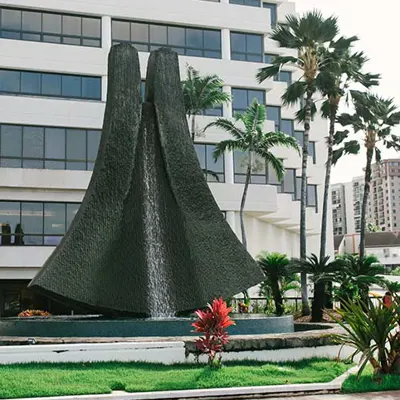 Pali Momi Medical Center
98-1079 Moanalua Road
‘Aiea, HI 96701
Phone: 808-486-6000
Get directions
Details
Dr. James T. Kakuda Cancer Center at Pali Momi Medical Center
Pali Momi Medical Center
98-1079 Moanalua Road
‘Aiea, HI 96701
Phone: 808-486-6000
Get directions
Details
Dr. James T. Kakuda Cancer Center at Pali Momi Medical Center
 Dr. James T. Kakuda Cancer Center at Pali Momi Medical Center
98-1005 Moanalua Road, Suite 3000
‘Aiea, HI 96701
Phone: 808-485-3037
Get directions
Details
Straub Benioff Medical Center
Dr. James T. Kakuda Cancer Center at Pali Momi Medical Center
98-1005 Moanalua Road, Suite 3000
‘Aiea, HI 96701
Phone: 808-485-3037
Get directions
Details
Straub Benioff Medical Center
 Straub Benioff Medical Center
888 S. King St.
Honolulu, HI 96813
Phone: 808-522-4000
Get directions
Details
Straub Benioff Medical Center
888 S. King St.
Honolulu, HI 96813
Phone: 808-522-4000
Get directions
Details
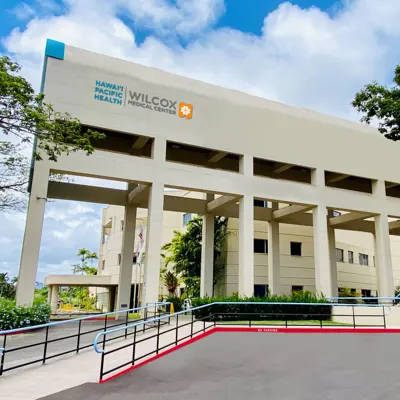 Wilcox Medical Center
3-3420 Kūhiō Highway
Līhu‘e, HI 96766
Phone: 808-245-1100
Get directions
Details
Kauaʻi Medical Clinic
Wilcox Medical Center
3-3420 Kūhiō Highway
Līhu‘e, HI 96766
Phone: 808-245-1100
Get directions
Details
Kauaʻi Medical Clinic
 Kauaʻi Medical Clinic
3-3420 Kūhiō Highway, Suite B
Līhu‘e, HI 96766
Phone: 808-245-1500
Get directions
Details
Kauaʻi Medical Clinic
3-3420 Kūhiō Highway, Suite B
Līhu‘e, HI 96766
Phone: 808-245-1500
Get directions
Details
Hematology/Oncology, Benign And Malignant Hematology
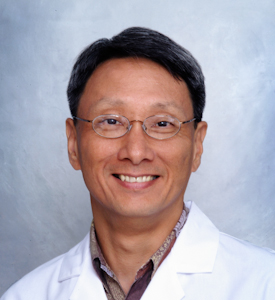
Hematology/Oncology, Gastrointestinal Cancers (Stomach, Colon, Rectum, Pancreatic), Breast Cancer
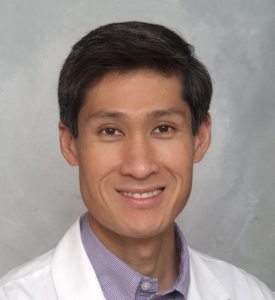
Hematology/Oncology
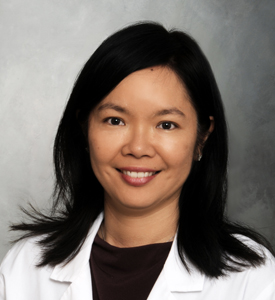
Hematology/Oncology, Breast Cancer
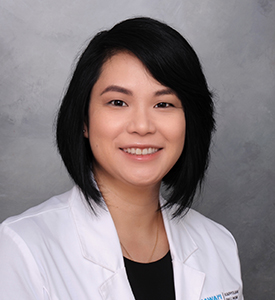
Hematology/Oncology
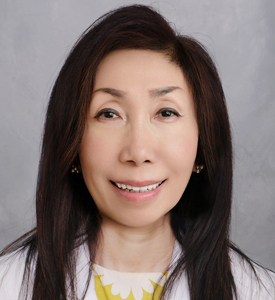
Hematology/Oncology, Hematology & Medical Oncology
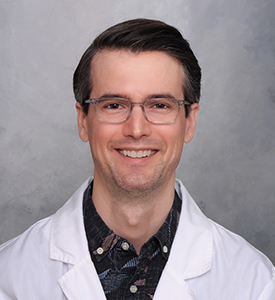
Hematology & Medical Oncology, Internal Medicine, Hematology & Oncology
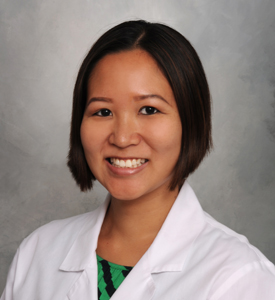
Pediatric Hematology/Oncology
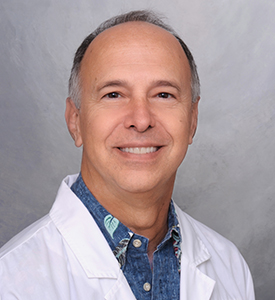
Pediatric Hematology/Oncology
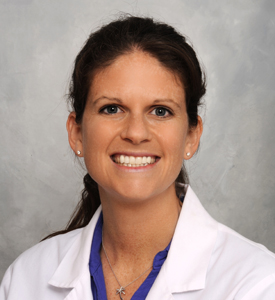
Pediatric Hematology/Oncology
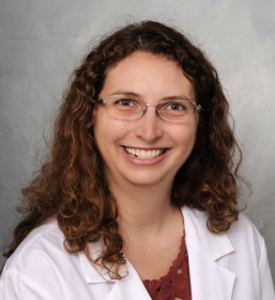
Pediatric Hematology/Oncology
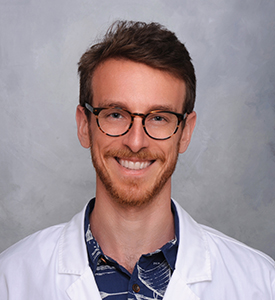
Pediatric Hematology/Oncology
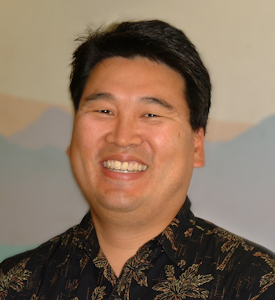
Pediatric Hematology/Oncology
Pediatric Hematology/Oncology
Pediatric Hematology/Oncology
Orthopedic Surgery

General Surgery
General Surgery
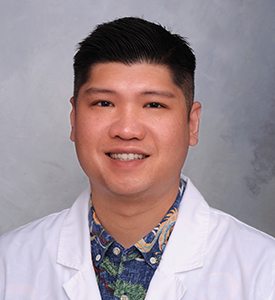
General Surgery

General Surgery
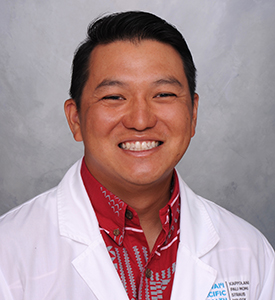
General Surgery
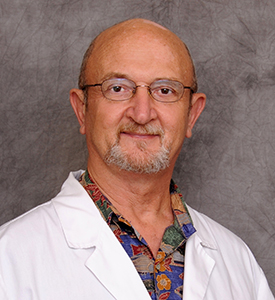
General Surgery
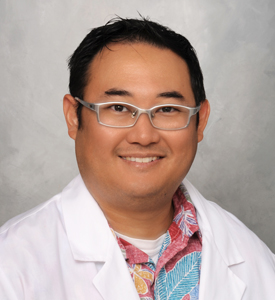
General Surgery
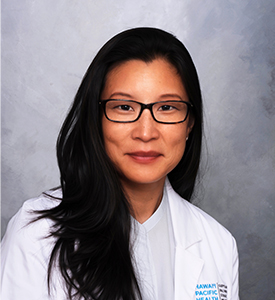
General Surgery
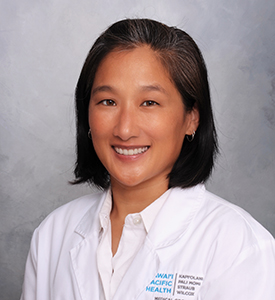
General Surgery
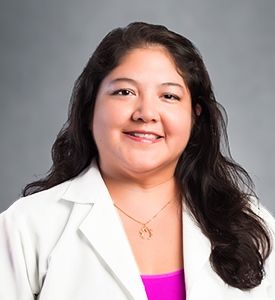
General Surgery

General Surgery
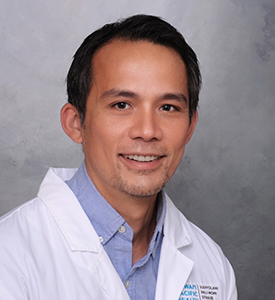
General Surgery
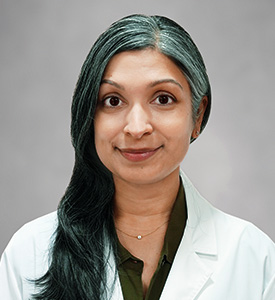
General Surgery
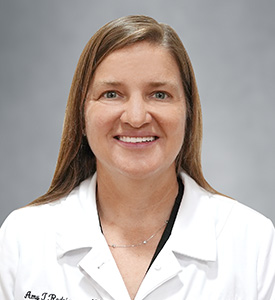
General Surgery
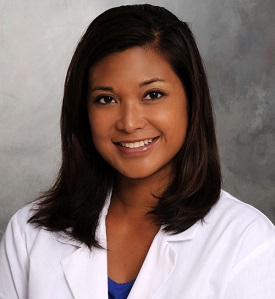
General Surgery
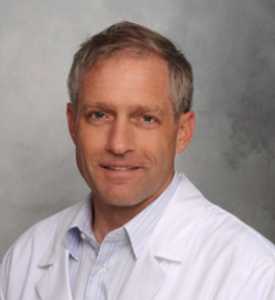
Pediatric Surgery
Pediatric Surgery
Pediatric Surgery
Pediatric Surgery
Gynecologic Oncology
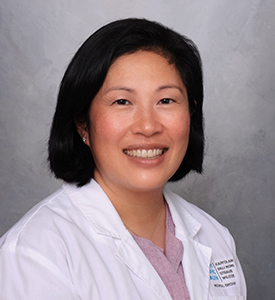
Gynecologic Oncology
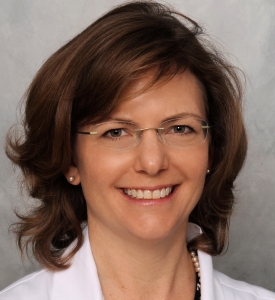
Urology
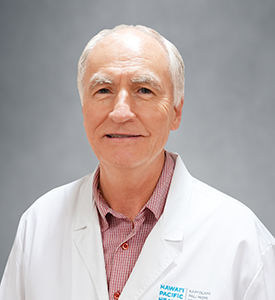
Urology
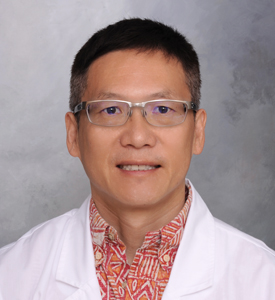
Urology

Urology
Urology
Urology
Urology
Urology

Urology
Urology
Urology
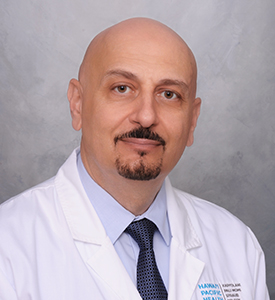
Thoracic Surgery
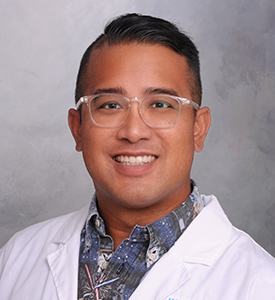
Pulmonary and Critical Care Medicine, Critical Care Medicine, Pulmonology
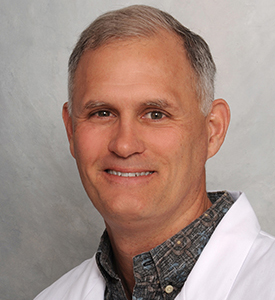
Pulmonology
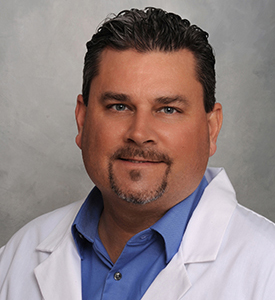
Pulmonology, Lung Cancer, Bronchiectasis, Interventional Bronchoscopy
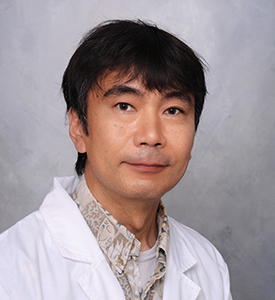
Pulmonology, Critical Care Medicine, Sleep Medicine
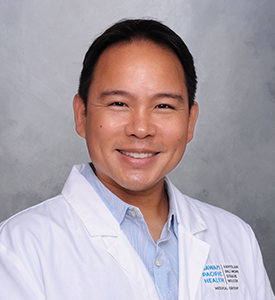
Pulmonology
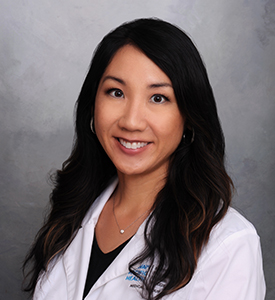
Pulmonology

Plastic Surgery
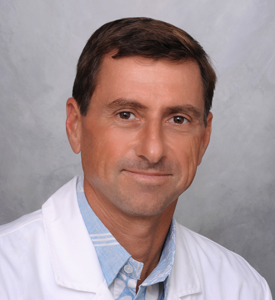
Plastic Surgery
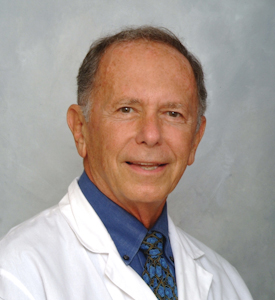
Plastic Surgery
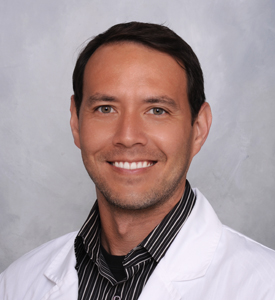
Plastic Surgery