You're Never Too Young to Create Healthy Exercise Habits
Published May 11, 2026
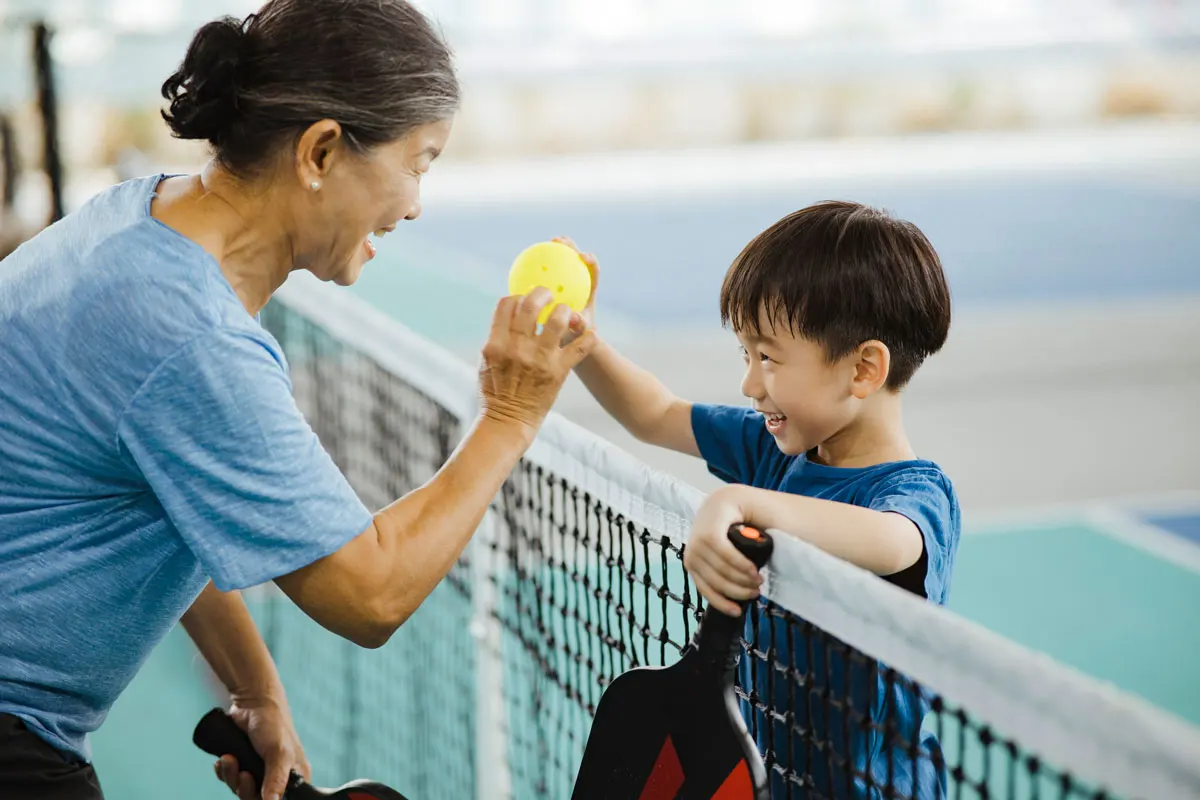
You're never too young (or old!) to pick up a new sport! Pickleball is a great moderate-impact physical activity that can help the whole family stay active and meet their weekly exercise goals.
Staying active is one of the best ways for keiki and families to build healthy habits, boost energy, and feel their best.
Dr. Lee Haruno, a lifelong athlete and a Hawaiʻi Pacific Health Medical Group (HPHMG) pediatric orthopedic surgeon based at Kapiʻolani Medical Center for Women & Children, joined Hawaiʻi News Now "Sunrise" to share practical tips for building healthy exercise habits at any age.
Here, he explains how much activity kids and adults need, how busy families can fit movement into the day, and why rest and cross-training are important for helping young athletes stay safe and strong.
How Much Activity Do You Need?
For adults, the Centers for Disease Control and Prevention (CDC) recommends at least 150 minutes a week of moderate- to vigorous-intensity physical activity.
Moderate-intensity activity can look like any exercise that brings your heartrate up and makes you break a sweat, but you can still carry a conversation.
Examples include:
- Walking briskly
- Doing water aerobics
- Riding a bike on a flat, paved surface
- Playing pickleball
During vigorous-intensity activity, you're breathing harder and your heart is beating faster. You can only say a few words before stopping to take a breath.
Examples include:
- Jogging or running
- Swimming laps
- Riding a bike on hills or taking a spinning class
- Playing basketball
The CDC also recommends that adults set aside two days a week for muscle-strengthening activities, such as lifting weights or using resistance bands.
"It's really important, especially for our kūpuna and senior citizens, to work in some strength and resistance training as well," Dr. Haruno said. "Unfortunately, it can't all be pickleball and swimming; we have to get you working out with the weights."
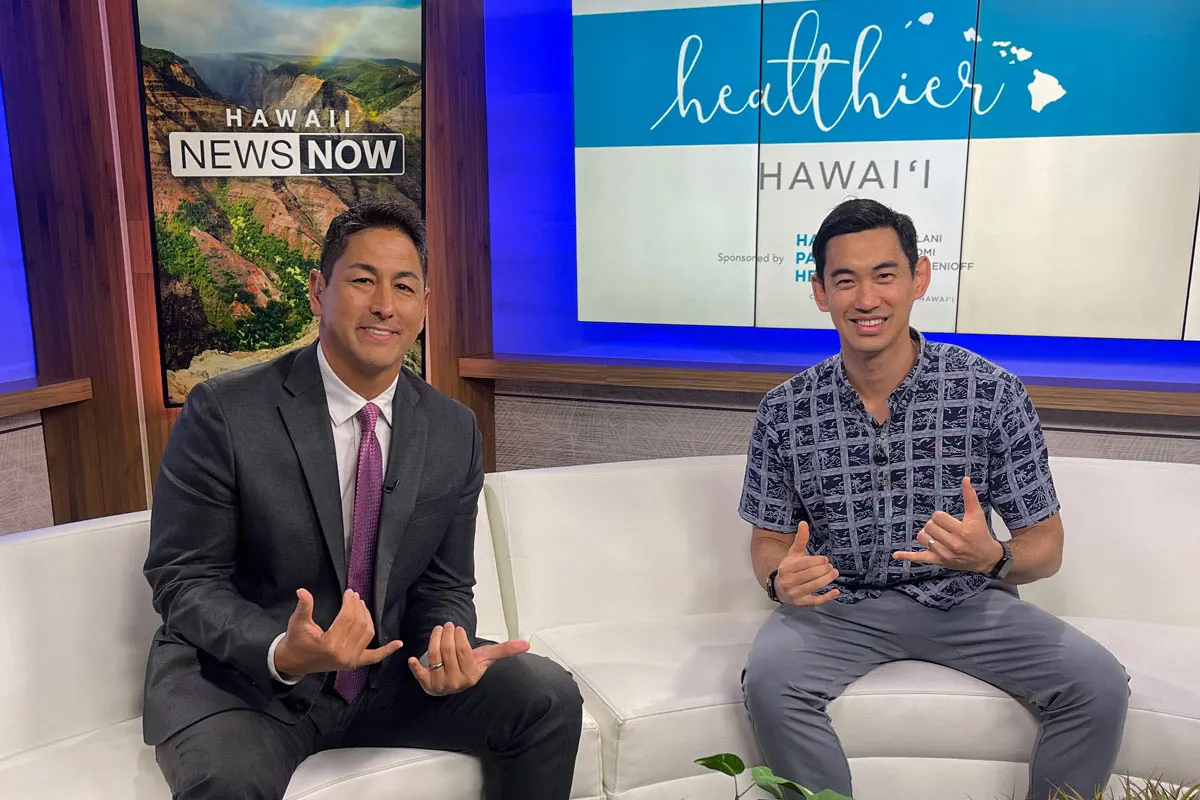
Dr. Lee Haruno (right) joined Hawaiʻi News Now Sunrise anchor Steve Uyehara for a talk about ways to make time for movement and build healthier habits at any age.
Teaching Kids to Move More
Dr. Haruno says keiki should get at least an hour of day of play.
"That can happen during recess, after school sports, or family activities are great ways to get outside and encourage the kids to stay active as well," he said.
As a father and local boy who grew up on Oʻahu, Dr. Haruno can relate to the struggle of busy families to find time for exercise. He suggests getting creative.
Incorporate visits to the park on the way home from school or go for a walk before or after dinner.
"If you don't have access to that, try to make things around the house fun. When it comes time to clean up the toys at the end of the night or clean up dinner, turn it into a game," he said.
Is There Such a Thing as Too Much Activity?
On the opposite end of the spectrum, many children now participate in the same sport year-round.
To avoid burnout or overuse injuries, Dr. Haruno recommends young athletes take a break from their sport for at least three months out of the year.
"Kids who only play one sport, especially before the teenage years, have a higher risk burnout, a higher risk of overuse injuries, and, paradoxically, a higher risk of not being able to perform at their highest level because they're always stressing their bodies throughout the year," he said.
If kids don't want to sit out on the sidelines, they can try out a sport that works different muscles – rather than playing soccer or volleyball, take up swimming or karate!
How Parents Can Prevent Injuries During Play
Outside of sports injuries, Dr. Haruno says he and the team at Kapiʻolani Medical Center encounter a lot of play-related injuries, such as from falls from monkey bars or trampolines. He recommends parents keep a watchful eye on children to make sure they use equipment correctly and avoid risky behaviors like pushing, shoving, or jumping from unsafe heights.
He also stressed the importance of safety around e-bikes and e-scooters. Kapiʻolani Medical Center is the Pediatric Trauma Center for the state, and Dr. Haruno says they have seen the rate of severe injuries from e-bikes increase in recent years.
"Anything with a motor can unfortunately have catastrophic consequences when kids are involved," he said. "We're encouraging families if you can't avoid them, to at least have safe discussions about responsible use, obeying all the local traffic laws, using appropriate protective gear, and really being responsible when you're out on the road."
View transcript
STEVE UYEHARA: We all know that we should be getting more exercise, but how much is enough? Dr. Lee Haruno is a lifelong athlete and pediatric orthopedic surgeon at Kapiʻolani Medical Center for Women & Children. He joins us for National Physical Fitness and Sports Month. So, doctor, let’s start there – what are the guidelines for physical activity?
DR. LEE HARUNO: Thanks for having me, Steve. Lifelong athlete, very generous term, but I'll take it. I appreciate it. So, in general, for a lot of our adults, we're hoping for at least 150 minutes a week minimum of moderate to intensity activity. So, what does that mean? Kind of exercising at a rate that brings your heart rate up that you can still have a conversation, maybe not necessarily singing a song, but you can have a conversation and be breaking a sweat that way.
It’s really important, especially for our kūpuna and senior citizens, to work in some strength and resistance training as well. So, lifting light weights, using resistance bands. It can't, unfortunately, all be pickleball and swimming. We got to get you working out some with the weights as well.
And then for kids, we're hoping for at least an hour or so a day. And that can happen during recess, after-school sports, or family activities – great way to get outside, break a sweat, and encourage the kids to stay active as well.
STEVE UYEHARA: When you're young and single, that's easy. But a lot of us have kids, families, and so we're busy. How do we realistically make that happen?
DR. LEE HARUNO: Yeah, so I'm kind of in that boat as well. Oftentimes just trying to get creative with things. You know, kids spending at least an hour outside a day is good for a variety of things, but you can incorporate that with visits to the park on the way home from school if you have access to that, or going for walks kind of before and after dinner. Or even if you don't, trying to make things around the house fun. When it comes time to clean up the toys at the end of the night or clean up dinner, turning into a game.
STEVE UYEHARA: Now, at the opposite end of the spectrum, there are a lot of our children that are playing sports year-round, and sometimes it's the same sport over and over. That's when injuries can happen, right?
DR. LEE HARUNO: Absolutely, that's a big risk these days. You know, with increasing pressure, especially at the collegiate level, a lot of pressure on these kids and families. So what we recommend is avoiding year-round participation in sports, taking at least three months a year – they don't have to be consecutive, you know, one month at a time is fine – but a break from sports to cross-train, do something different.
And the other thing we're advocating for is what we call single sports specialization. So kids, especially before teenage years, who only play one sport, there's a higher risk of burnout, higher risk of overuse injuries, and a higher risk of, paradoxically, not being able to perform at your highest level because you're always stressing your body throughout the year.
STEVE UYEHARA: You are an orthopedic surgeon. Is there a common thread that you're seeing with more children coming in with broken bones?
DR. LEE HARUNO: Yeah, so I worked at Kapiʻolani, which is the pediatric trauma center for the state. We do see a lot of broken bones, unfortunately, especially at the younger ages, you know, outside of sports injury, mostly playground related. Falls from trampolines, falls from monkey bars. So just encouraging families to take appropriate supervision of their kids, especially when they're playing and everything like that.
And then, I wanted to talk briefly about e-bikes as well. So e-bikes, e-scooters, anything with a motor can unfortunately have catastrophic consequences when kids or anyone is involved. And we're seeing those rates really spike. And so encouraging families, if you can't avoid them or if they're part of your mode of transportation, at least having a discussion about responsible use, safe use, obeying all the local traffic laws, using appropriate protective gear, and really being responsible when you're out on the road.
STEVE UYEHARA: You mentioned the Kapiʻolani; there's a big event coming up this weekend, right?
DR. LEE HARUNO: This Saturday, May 9, is the Ko Olina Children's Festival. All of the proceeds benefit Kapiʻolani and the Martha Smith Cancer Center. So everything's going to a good cause. It's from 3 to 8 p.m. There's parking on site, which is always a big concern when you're visiting Ko Olina, but that should be a great event for families, so you can book your tickets now online.
STEVE UYEHARA: Alright, Dr. Lee Haruno, thank you for joining us.
DR. LEE HARUNO: Thanks for having me.
STEVE UYEHARA: And thank you for helping to make this a healthier Hawaiʻi.
Dr. Lee Haruno joined Healthier Hawaiʻi to share activity guidelines for adults and kids, along with easy family fitness ideas and injury prevention tips.
This segment originally aired May 6, 2026, as part of the Hawaiʻi News Now "Sunrise" Healthier Hawaiʻi series. Watch the full broadcast here or above.


