What Your Doctor Wants You to Know About Diabetes Screening and Prevention
Published July 14, 2026
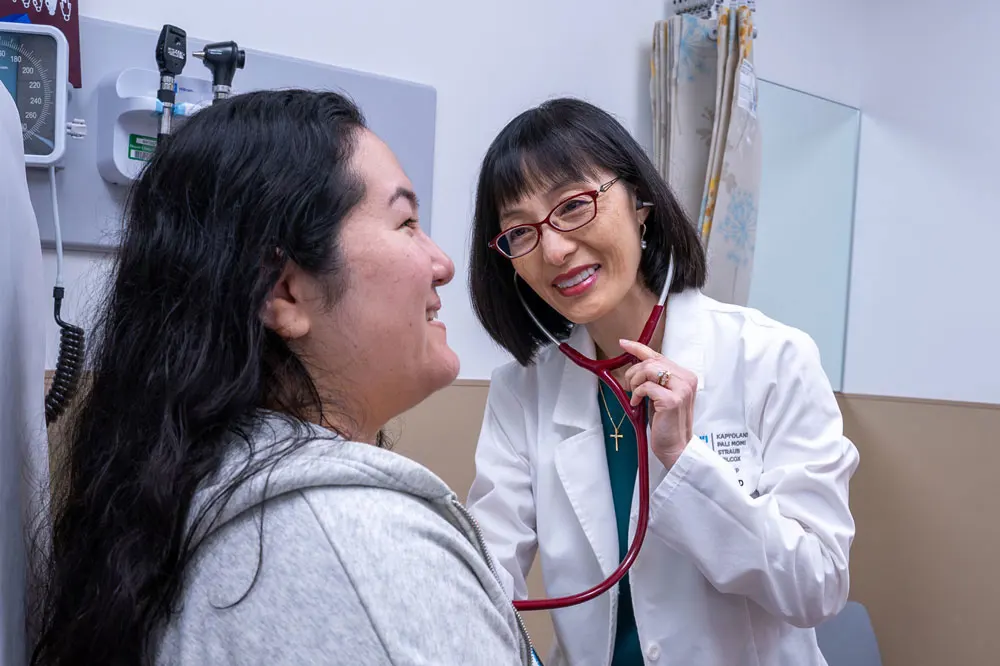
Dr. Marti Taba with a patient during a routine physical exam at the Straub Benioff Kailua Clinic.
Key Takeaways
- Diabetes can develop without obvious symptoms, which is why routine screening is important – even if you feel fine.
- Type 2 diabetes is the most common form of diabetes, but it can often be prevented or managed with healthy lifestyle habits and early treatment.
- Small steps, such as eating more whole foods, cutting back on sugary drinks, staying active, and partnering with your doctor, can help lower your risk and protect your long-term health.
Chances are you know someone with diabetes. About one in 10 people in Hawaiʻi have it, according to the American Diabetes Association. An additional 39,000 people in Hawaiʻi may have diabetes and not even know it.
"Many people with diabetes do not have symptoms at first, which is why screening is important," explained Dr. Marti Taba, a family medicine physician at Straub Benioff Medical Center – Kailua Clinic. "In fact, someone can have diabetes for years and not know it."
Why Regular Diabetes Screening Matters
Diabetes is often diagnosed through blood tests during routine medical visits or recommended screenings. Symptoms usually appear only when blood sugar levels are very high and uncontrolled.
According to Dr. Taba, who serves as chief of East Oʻahu primary care for the Hawaiʻi Pacific Health Medical Group, signs a person has diabetes can include:
- Losing weight without trying.
- Waking up often at night to urinate.
- Feeling thirsty all the time.
The Difference Between Type 1 and Type 2 Diabetes
There are two main types of diabetes. Type 1 is a condition in which the body makes little or no insulin. There’s no known prevention or cure, and as a result, those with Type 1 diabetes need to take insulin.
Type 2, which this article focuses on, accounts for more than 90% of all cases. It happens when the body makes insulin but doesn’t use it effectively. Over time, it can lead to serious complications.
But it can also be prevented or managed.
How Uncontrolled Diabetes Can Affect Your Health
"When diabetes is not controlled, it can affect nearly every system in the body," Dr. Taba said "People with uncontrolled diabetes are more likely to develop infections and have wounds that heal slowly. Long-term complications can include permanent vision damage or blindness, nerve damage that causes pain or numbness, kidney failure requiring dialysis, and damage to blood vessels that increases the risk of heart disease and stroke.
"Poor circulation can also lead to serious infections and even limb loss," Dr. Taba added. "One of the biggest dangers of diabetes is that damage often occurs gradually, so you may not notice any symptoms until the damage is already severe and permanent."

Healthy lifestyle choices – including balanced meals, regular physical activity, and blood sugar monitoring – can help people with diabetes stay on track and support their overall well-being.
Healthy Habits That Can Lower Your Risk
That’s why early detection is critical, allowing for earlier diagnoses and treatment, including timely lifestyle interventions that can help prevent the progression of prediabetes to Type 2 diabetes.
"The best way to prevent diabetes is by focusing on healthy lifestyle habits," said Dr. Taba, who has spent her entire 25-year career in family medicine at the Straub Benioff Kailua Clinic. "A diet based on whole foods, fruits, and vegetables can significantly reduce risk. Cutting back on sweets, sugary drinks, and processed foods, as well as exercising regularly and maintaining a healthy weight, is also important."
Small Steps Can Help You Take Charge of Your Health
For people with diabetes, treatment methods have advanced significantly.
That means insulin injections are not the only option.
The most common medication is metformin, a pill that lowers the amount of glucose the liver makes and helps the body use glucose more efficiently. There are also GLP-1 receptor agonists, SGLT2 inhibitors, and more.
"Some people with diabetes often feel powerless and think they’ll just have to take more and more pills as it gets worse," Dr. Taba said. "But I want to tell them that they should feel empowered to take charge of their health. It all starts with taking a small step toward making healthier choices and partnering with your doctor so you have the support and information you need to live a healthier life."
This article was first featured in the summer 2026 issue of Go Kailua magazine. See the full publication.


