Are Your Child’s Earbuds Too Loud? What Parents Should Know
Published April 20, 2026
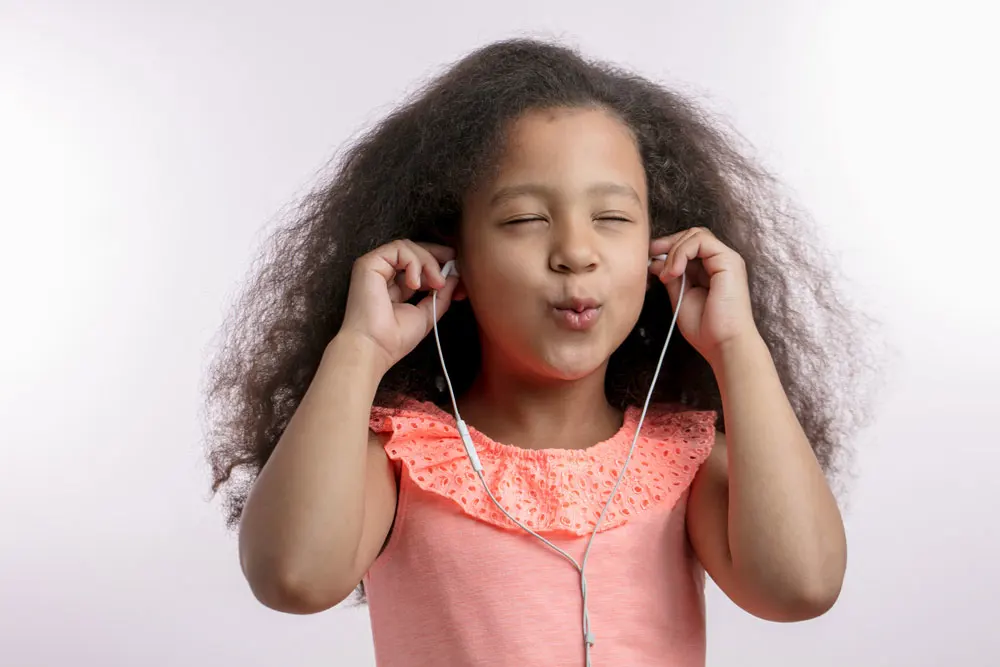
Earbuds are part of everyday life for many kids, but keeping the volume low can help protect young ears.
Key Takeaways
- Hearing loss from loud earbuds or headphones can be permanent, so prevention is key.
- Kids should listen at the lowest volume where they can still hear clearly, especially in noisy places.
- If your child has trouble hearing or notices ringing in their ears, talk with their doctor about a hearing test.
It seems everywhere you look, there they are: in the grocery store, at airports, at the bus stop, and even in your home.
Earbuds and headphones are a staple of young life.
While they help keep the sounds of videos, music, and games from interrupting the rest of the family, they can impact your kids’ health.
Hearing Loss Can Start Earlier Than You Think
Research in the Journal of the American Medical Association shows 1 in 5 kids between ages 12 to 19 years experience some sort of hearing loss.
Dr. Ross Shockley, a Hawaiʻi Pacific Health Medical Group otolaryngologist based at Kauaʻi Medical Clinic, says he sees more younger people having trouble with their hearing.
"Prevention is so important because hearing loss is not something we can reverse,” he said. “Once ringing in the ears starts happening, that can be permanent.”
How Loud Is Too Loud?
How do you know if headphones or earbuds are too loud?
“If you turn the volume up all the way to overcome background noise, you’re overexposing yourself,” Dr. Shockley said. “You want to have your music or audio at the lowest volume possible where you can still hear and understand everything. If you’re somewhere noisy, don’t turn the volume up. Go somewhere quiet.”
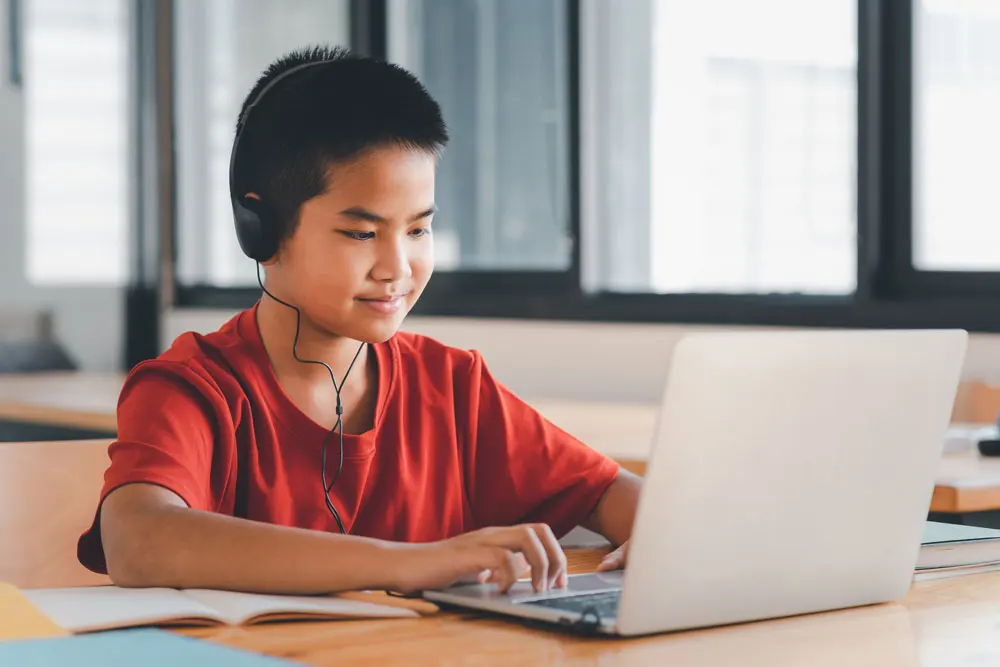
Headphones can help kids focus on homework, but keeping the volume low is key to protecting their hearing.
Simple Ways to Protect Your Child’s Hearing
- Keep the volume low. Use the lowest volume where your child can still hear clearly.
- Avoid turning up the sound to block background noise. If it’s noisy, move to a quieter place instead.
- Take listening breaks. Give ears time to rest after using earbuds or headphones.
- Use noise-cancelling headphones wisely. They can help kids hear audio clearly without raising the volume.
- Choose over-the-ear protection for loud places. Noise-reducing earmuffs are helpful at concerts, sporting events, construction areas, or while hunting.
- Limit time in loud environments. Reduce how long kids are exposed to high-volume sounds.
- Keep distance from loud speakers or equipment. Move away from speakers, fireworks, power tools, or machinery when possible.
- Watch for warning signs. Ringing in the ears, muffled hearing, or trouble hearing others can be signs of hearing damage.
- Ask about a hearing test if concerns come up. Talk with your child’s doctor if you notice changes in hearing.
"Prevention is so important because hearing loss is not something we can reverse."
When Kids Need Extra Hearing Protection
If kids are going to be near a construction site, at a concert, hunting, or anywhere where they may be exposed to loud sounds for a period of time, Dr. Shockley says a pair of noise-cancelling earmuffs is the best investment. Those that cover the entire ear provide more protection than ear plugs, and you can get a pair for just about $15.
When to Ask About a Hearing Test
And if your child is having trouble hearing things that their friends or family can, talk with their doctor to see if they may need a hearing test.
“It’s best to take preventive steps as early as possible to prevent further damage,” Dr. Shockley said.
Small habits can make a big difference in protecting young ears. Encourage kids to keep the volume low, take breaks and use hearing protection in loud places.
If you notice signs of hearing trouble, talk with your child’s doctor about a hearing test.
This article was first featured in the Summer 2026 issue of Kauaʻi Family Magazine. See the full publication.


