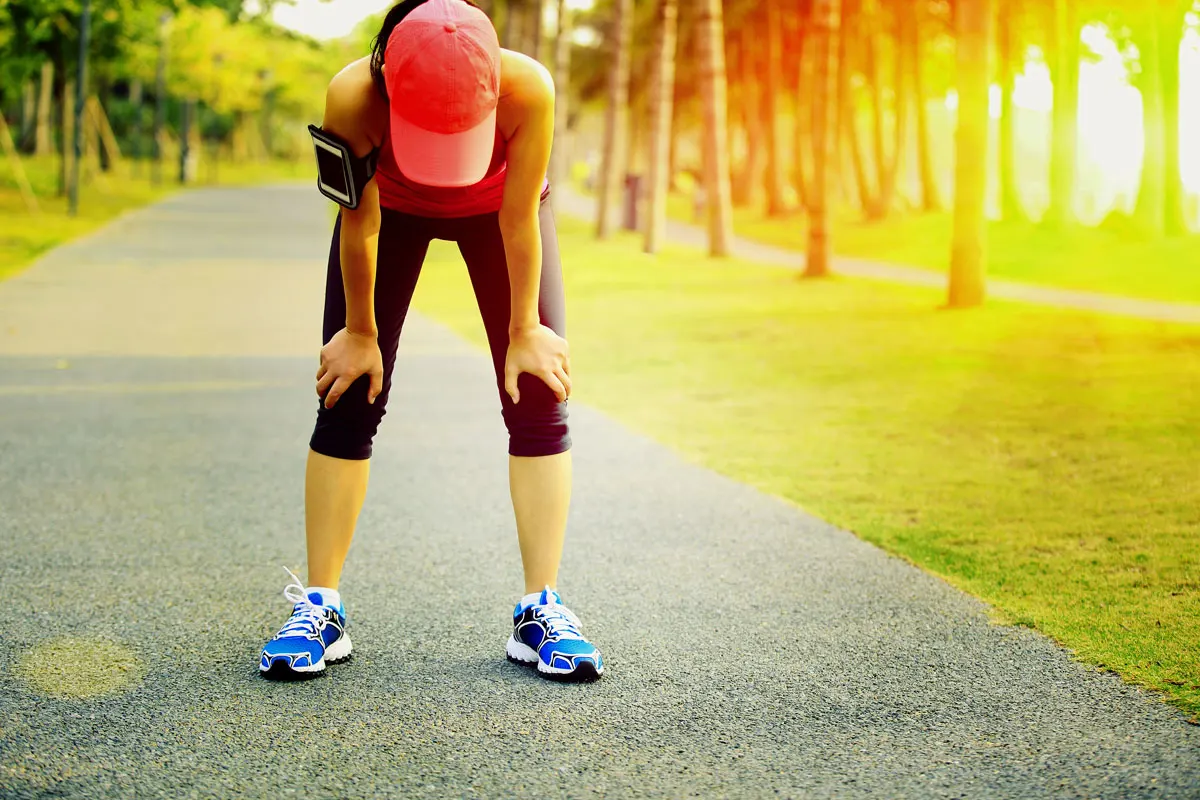
Summer is definitely upon us, and a lot of us want to be active outdoors due to the great weather.
Late summer and early fall also are the times of year when many school sports’ practices start.
With all these physical activities in the higher temperatures and humidity, there is risk for heat illness.
Various populations can suffer from heat illnesses, whether it be someone just enjoying a nice hike or athletes training for their sports.
There is a wide spectrum of heat illnesses, some of which seem minor, but others that are life-threatening.
1. Heat Edema
Signs
- Swelling of the hands and feet from not being used to exercising in the heat.
Treatment
- Rest and elevation of swollen extremities.
2. Heat Cramps
Signs
- Severe, expanding muscle tightness, spasms and pain after intense and prolonged exercise in the heat.
- Can be due to lack of conditioning and possible electrolyte abnormalities.
Treatment
- Rest.
- Massage.
- Oral hydration with electrolyte solution.
- Medications and intravenous (IV) fluids may be needed, but this should be administered by a health care provider.
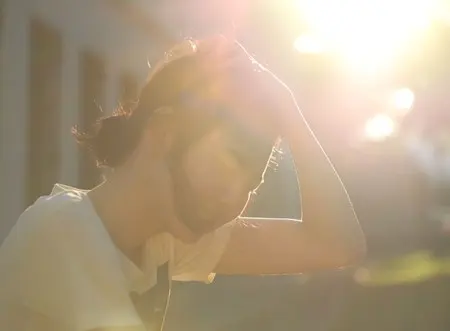
Feeling faint, confused and short of breath after being out in the sun for an extended period of time can all be signs of heat exhaustion, one severe form of heat illness.
3. Heat exhaustion
Signs
- Elevated rectal temperature but not above 104 degrees.
- Fast heart rate.
- Low blood pressure.
- Shortness of breath.
- Fainting.
- Profuse sweating.>
- Clammy skin.
- Mild confusion.
- Incoordination.
May also have fatigue, headaches, nausea, vomiting, muscle cramps, chills and “goosebumps.”
Treatment
- Rest in a cool, shaded area with good air circulation.
- Taking ice baths and keeping legs elevated can help with cooling.
- Oral rehydration with electrolyte fluids if possible, but may need IV fluids if vomiting or not able to drink fluids.
- Will need to see a health care provider if medications and IV fluids are needed.
4. Exertional Heat Stroke
Signs
- Rectal temperature above 104 degrees.
- Low blood pressure.
- Fast heart rate.
- Shortness of breath.
- Mental status changes (irritability, loss of balance, confusion, disoriented, fainting, seizures, coma).
- Hot skin.
- No sweating.
Will also have fatigue, dizziness, muscle cramps, chills, nausea and vomiting, but people with heat stroke have more mental changes than those with heat exhaustion.
Treatment
- Call 911 and move to cool, shaded area with good air circulation.
- Remove as much clothing as possible and start rapid cooling measures (cold water immersion in ice bath).
- IV fluids are usually necessary and medications may be given by the health care provider.
Those most at risk for heat illness include children and elderly adults; however, the following factors can increase anyone’s risk for heat illness:
- Poor acclimation to heat and humidity.
- Poor conditioning.
- Dehydration and salt depletion.
- Obesity.
- History of previous heat injury.
- Illnesses, especially fever or gastrointestinal illnesses that can increase the risk for dehydration and electrolyte abnormalities.
- Chronic illnesses that may be associated to heat illness, such as cystic fibrosis and uncontrolled diabetes mellitus.
- Alcohol use.
- Certain medications and drugs.
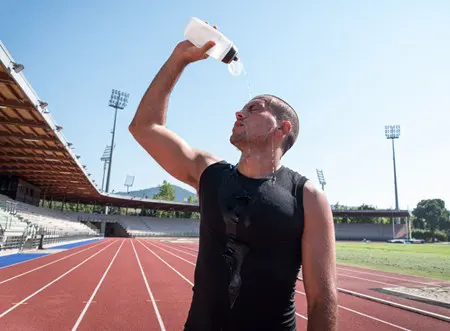
Staying hydrated before, during and after activities is essential to preventing heat illnesses.
To prevent heat illness, adequate hydration before, during and after activities is essential.
During practices, the following hydration measures are recommended:
- 16 ounces, 2-3 hours before practices.
- 8 ounces, 15 minutes before practices.
- 4 ounces every 15-20 minutes during practices.
- 16-20 ounces for every pound lost after strenuous activities and practices.
Try to work out or have practices in the early morning or late afternoon or evening, when it is not as hot.
Wear short-sleeved, loose-fitting, light-colored, open-weave or moisture-wicking clothing.
If clothes become soaked due to sweat, change to provide proper evaporative cooling.
Other tips to reduce the risk of heat illnesses include:
- Wear hats and sunglasses.
- Use water-based sunscreen and apply frequently. Avoid oil- or gel-based sunscreens, as these can block evaporative cooling.
- Monitor weather and humidity.
- Be cautious with nutritional supplements, which may contain stimulants such as caffeine and ephedrine that will negatively affect hydration and heat metabolism.
If not conditioned to the heat and humidity of Hawaiʻi, some athletes will need seven to 10 days to adjust; however, total heat acclimation can take 10-14 days. During this time, athletes and coaches should:
- Avoid extremely strenuous activities.
- Minimize the amount of protective equipment (helmets, shoulder pads, etc.) used during practices.
- Alter practices and workouts by decreasing intensity and duration, taking frequent water breaks and moving to a shaded or breezy area.
- Modify practices depending on weather.


